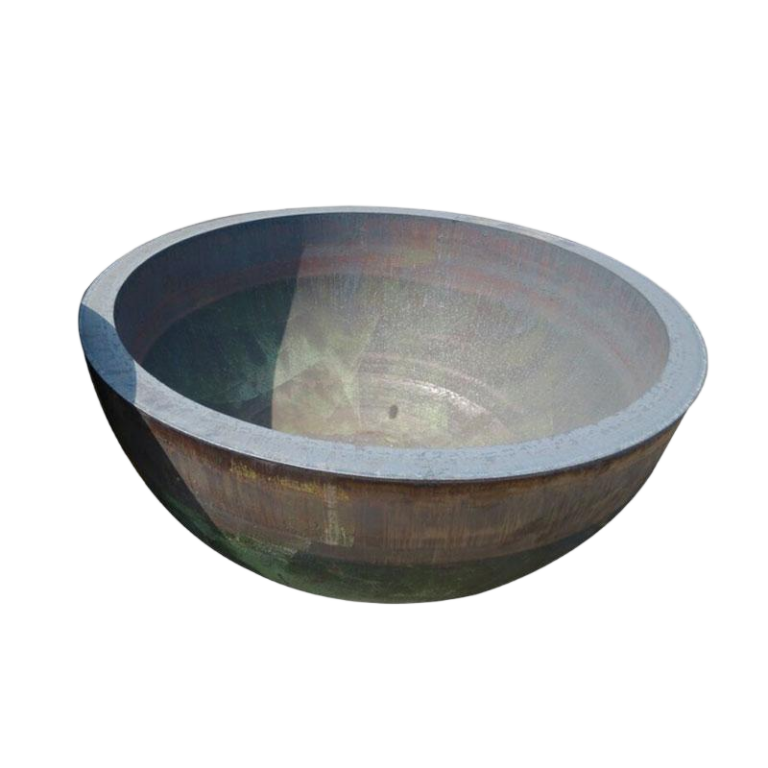
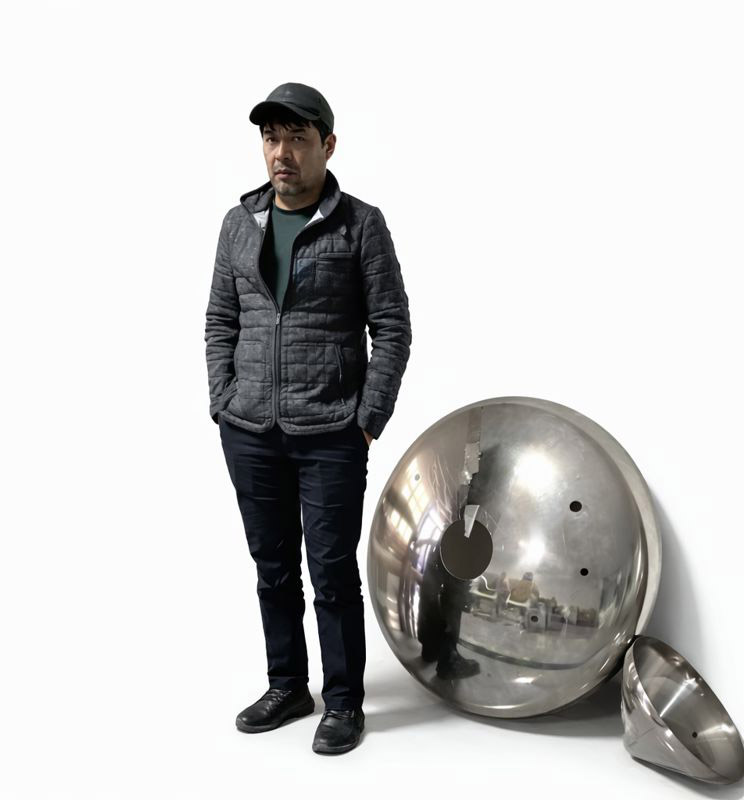
Let’s say you’re standing in a workshop. It smells like cutting oil and burnt coffee. There’s a big steel vessel sitting there like a stubborn metal whale, and on the end of it… you see this perfect, smooth “half a ball” shape.
So what is it, really?
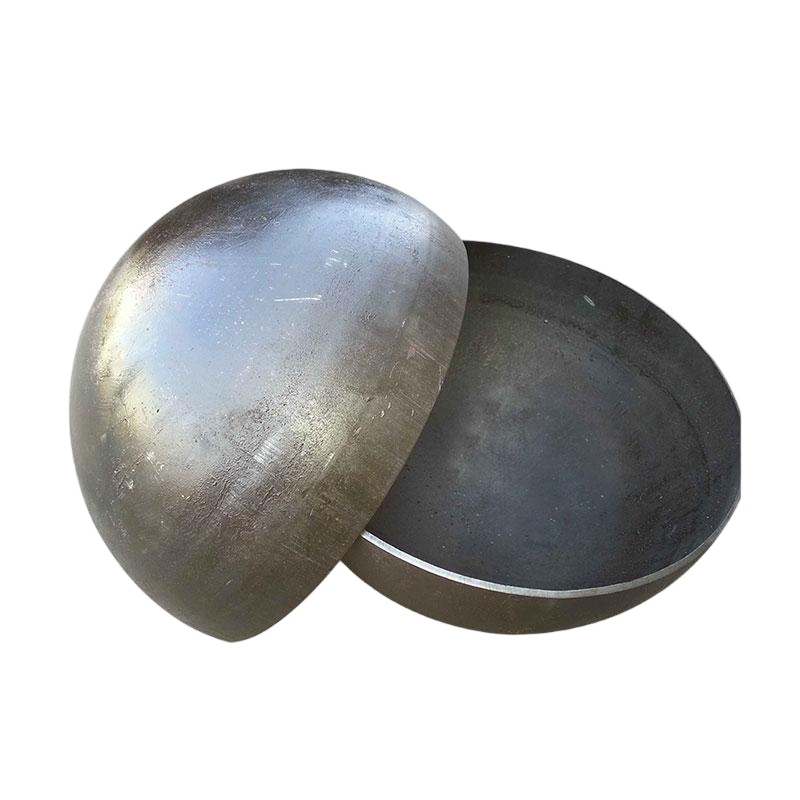
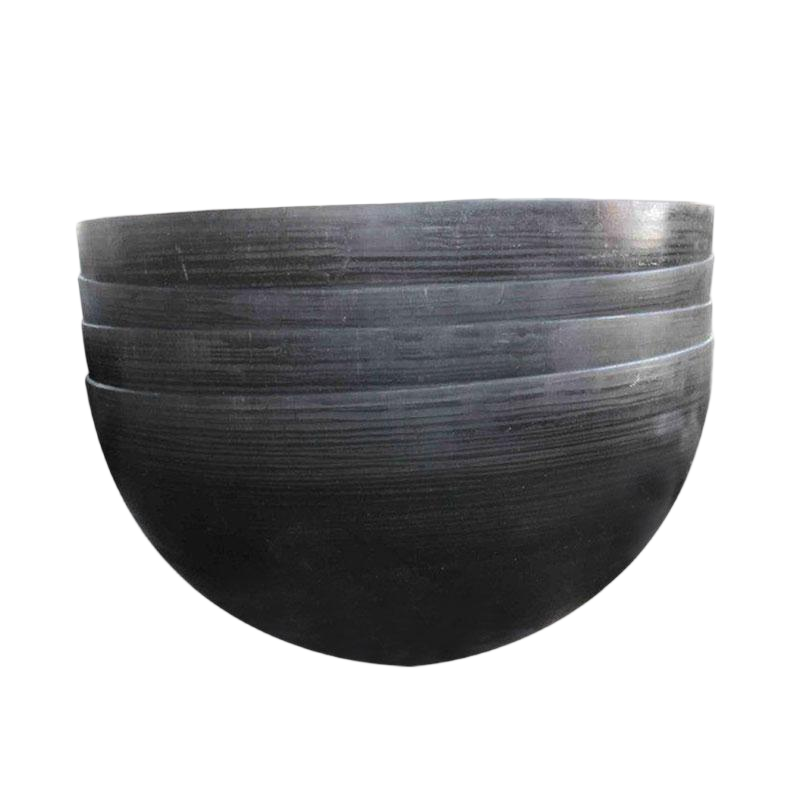
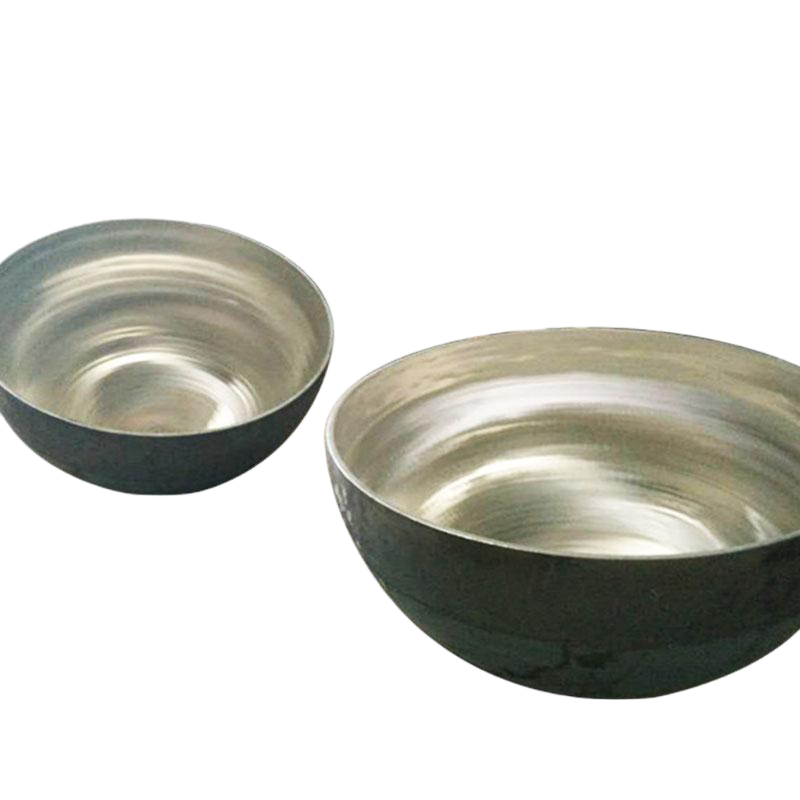
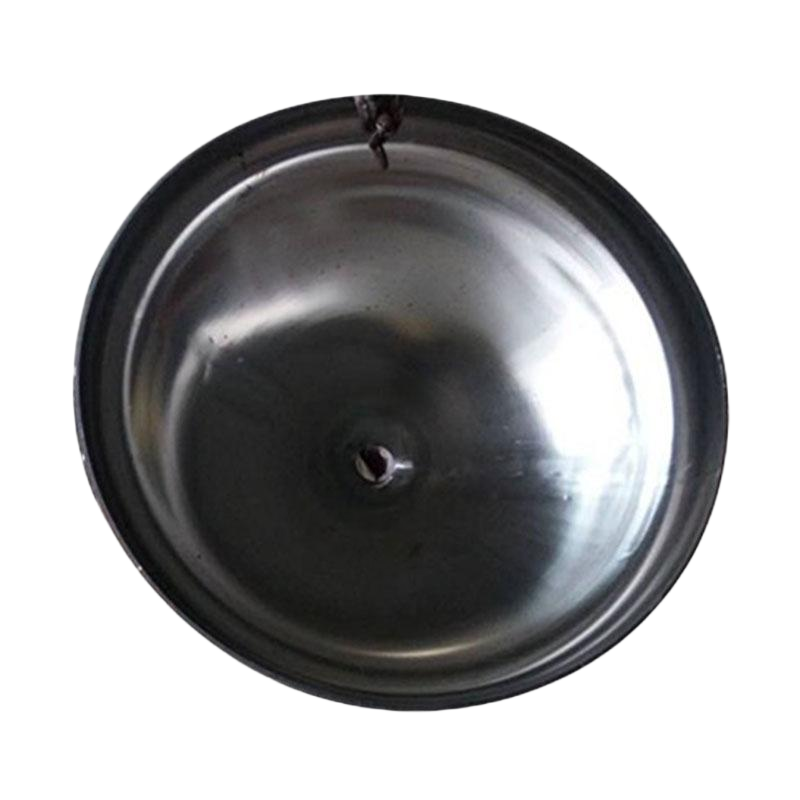
A hemispherical head is a pressure vessel end cap shaped like half of a sphere.
Not “kind of round.” Not “close enough.” It’s the real deal: a clean hemisphere.
If you sliced a basketball in half and welded it onto the end of a cylinder, you’d get the idea. (Don’t actually do that. Please.)
Why do people even use this shape?
Because pressure is rude.
Pressure doesn’t push nicely in one direction. It pushes everywhere. All the time. Like a toddler with sugar.
Now here’s the fun part: a sphere handles pressure like a champ. The load spreads evenly around the curve, so the material doesn’t get bullied in one spot.
That’s why engineers look at a hemispherical head and go, “Ahhh. Beautiful.” Yes, they really do that.
The “coffee-table explanation” of how it works
Picture blowing up a balloon.
It doesn’t turn into a cube, right? It turns into something round, because round shapes spread stress evenly. A hemispherical head basically copies that idea—except in thick steel, under scary pressure, with zero patience for mistakes.
And that’s the key word: stress distribution. Even. Smooth. Calm.
You don’t get those nasty high-stress corners that love to crack, warp, or ruin your week.
Not in your kitchen. (Unless you have a very intense kitchen.)
You’ll usually see them on pressure vessels that need to stay safe under high internal pressure, like:
- chemical processing tanks
- reactors
- high-pressure storage vessels
- some heat exchangers
- aerospace and specialty equipment
Any place where pressure gets serious and failure gets expensive.
Hemispherical vs. other vessel heads: why pick the “half-sphere”?
Here’s the deal: hemispherical heads aren’t always the default choice. They’re more like the “premium option.”
They handle pressure really well
Because of the shape, a hemispherical head can often use less thickness than other head types at the same pressure. Less thickness can mean less weight. That matters.
But they can cost more
You don’t just casually form a perfect hemisphere out of steel and call it a day.
Forming, welding, inspection—everything needs to stay tight. If the head is large, fabrication gets even more demanding. You might need special tooling, more forming steps, or more time. And time costs money. Always.
So people ask the real question: Do we need the performance enough to pay for it?
Sometimes the answer is yes. Absolutely yes.
I’ve watched this conversation happen more times than I can count:
Someone from purchasing squints at the quote. “Why is this head more expensive than the elliptical one?”
And the engineer says, dead serious: “Because I don’t want it to explode.”
That’s not drama. That’s priorities.
Engineers don’t pick hemispherical heads because they like fancy shapes. They pick them when the operating pressure climbs, when fatigue matters, when safety margins feel tight, or when the equipment needs to last forever without turning into a maintenance nightmare.
What people often misunderstand
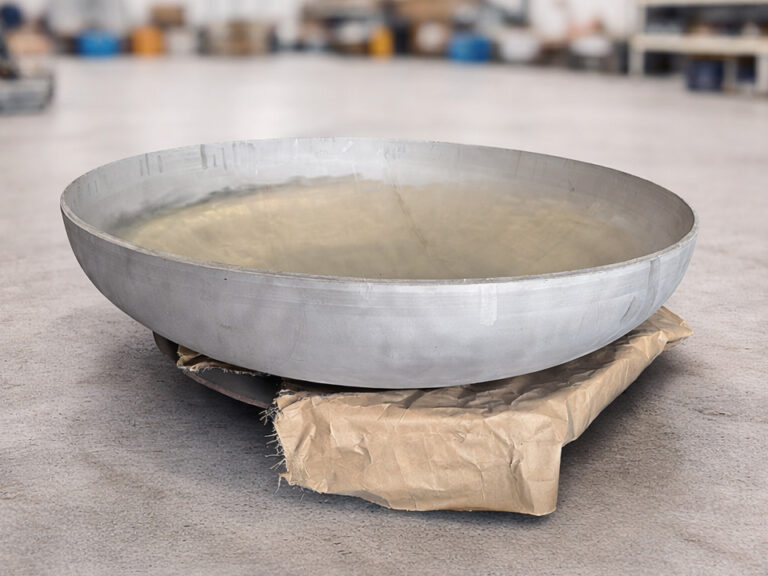
A hemispherical head is not the same as a “dished head.”
A lot of vessel heads look “rounded,” but they don’t behave the same way under pressure. Elliptical heads, torispherical heads, flanged-and-dished shapes—those have different curves, different stress patterns, different thickness needs.
A hemisphere keeps it simple: one consistent radius, one smooth curve, one job—handle pressure cleanly.
So… should you use one?
If you’re building something low-pressure and cost-sensitive, you’ll probably pick an elliptical or torispherical head and move on with your life.
But if pressure climbs, if you want efficiency, if you want a shape that naturally fights stress instead of arguing with it?
A hemispherical head starts looking real attractive.
Honestly, it’s the closest thing pressure vessel design has to “cheating,” and I mean that in the nicest way.
If you’re choosing heads for a project, tell me your vessel diameter, pressure, and material—and I’ll help you figure out whether the half-sphere is worth the extra spend.