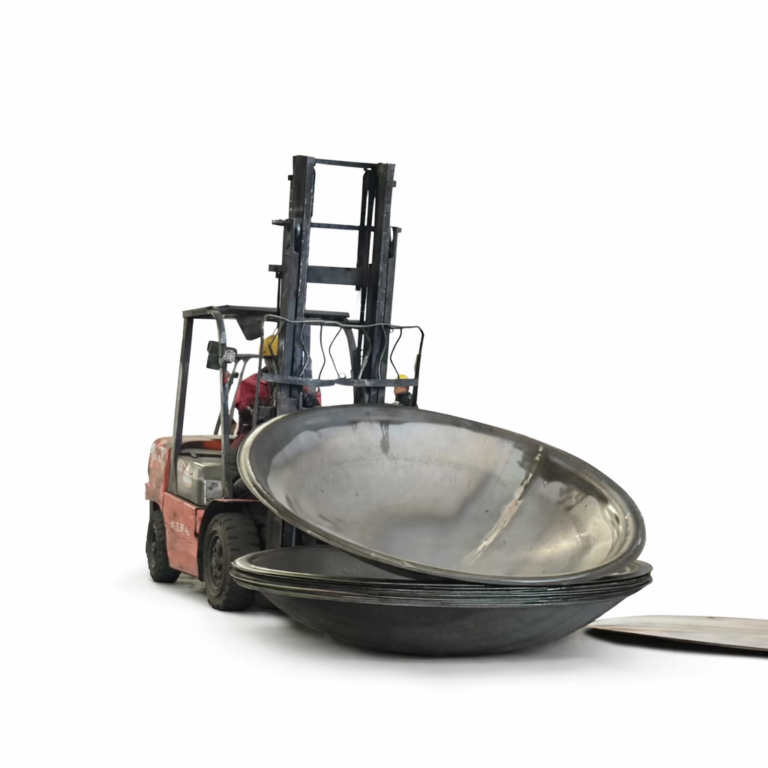
People love to talk about pressure vessels like they’re just “a cylinder with two ends.”
Sure. And a car is “four wheels and a seat.” You and I both know it doesn’t work like that.
A cylindrical tank with hemispherical heads looks simple. It also punishes shortcuts. One bad decision early and you pay for it later with distortion, delays, and that lovely email chain where everyone suddenly becomes a welding expert.
So how do we actually build one the right way?
Step 1: We start with the job, not the drawing
I always ask one question first: What’s the service?
Because “stainless” doesn’t mean anything by itself. Same for “carbon steel.” Temperature, pressure, corrosion, media, cleaning method, and code rules steer everything.
If the client only sends a sketch and says “like last time,” we slow down and lock the spec. Material grade. thickness. corrosion allowance. code stamp needs. test requirements. Shipping limits. All of it.
Sounds boring. It saves weeks.
Step 2: We pick the right hemispherical head strategy
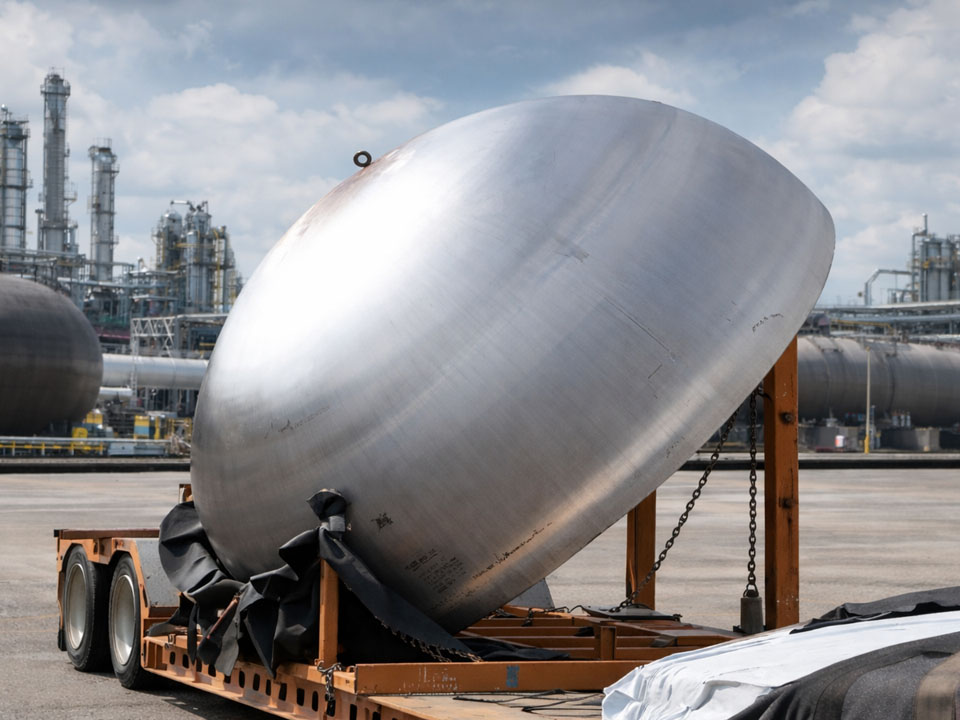
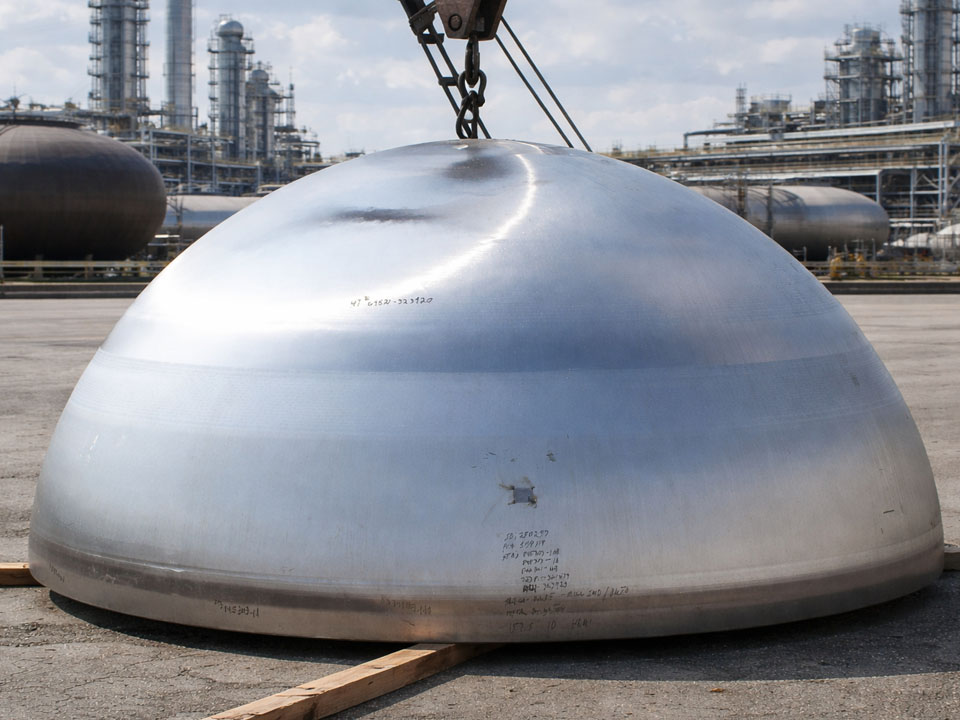
A hemispherical head gives you great strength for pressure. That’s why people love it. But it also comes with real-world manufacturing choices.
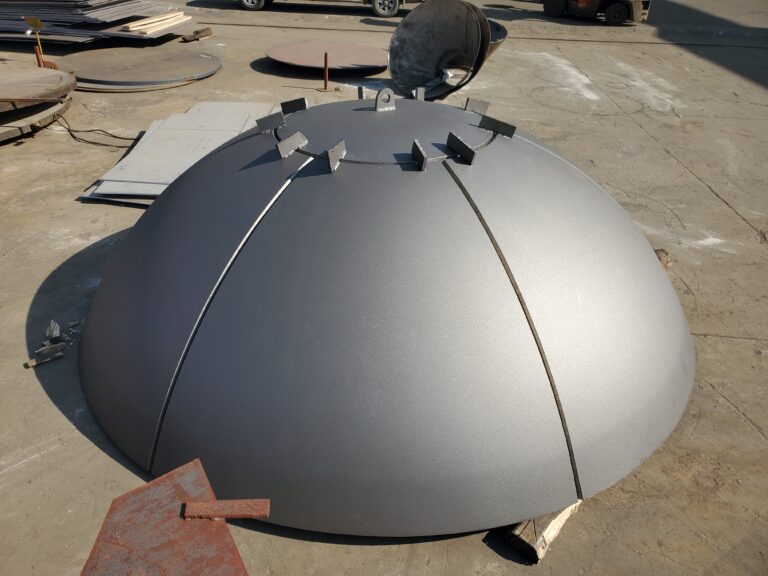
Do we press it? Spin it? Form it in segments and weld it? Do we need a seamless head at that diameter and thickness, or can we fabricate with qualified seams?
Big sizes push you toward segmenting. Tight schedules push you toward what your shop already runs well. And some specs push you toward “no weld seams in the crown area,” which sounds nice until you price it.
You want “fast + cheap + perfect”? Pick two.
The cylinder starts life as plate. Then we roll it.
And here’s the part people ignore: roll quality decides fit-up quality.
If you roll the shell out-of-round, the head fit-up turns into a wrestling match. Welders start “making it fit.” That’s when you get mismatch, high-low, and extra heat input you never planned for.
We check roundness early. We don’t “hope it pulls in.” Hope doesn’t belong in fabrication.
Step 4: We prep edges and keep the bevel consistent
Weld prep looks small. It isn’t.
A clean, consistent bevel gives you stable penetration and predictable shrinkage. A sloppy bevel gives you rework, extra grinding, and a joint that fights you.
We prep the shell edge and the head edge to match. Same angle. Same land. Same root gap target.
And yes, we keep the prep notes on the traveler. Because the night shift won’t read your mind.
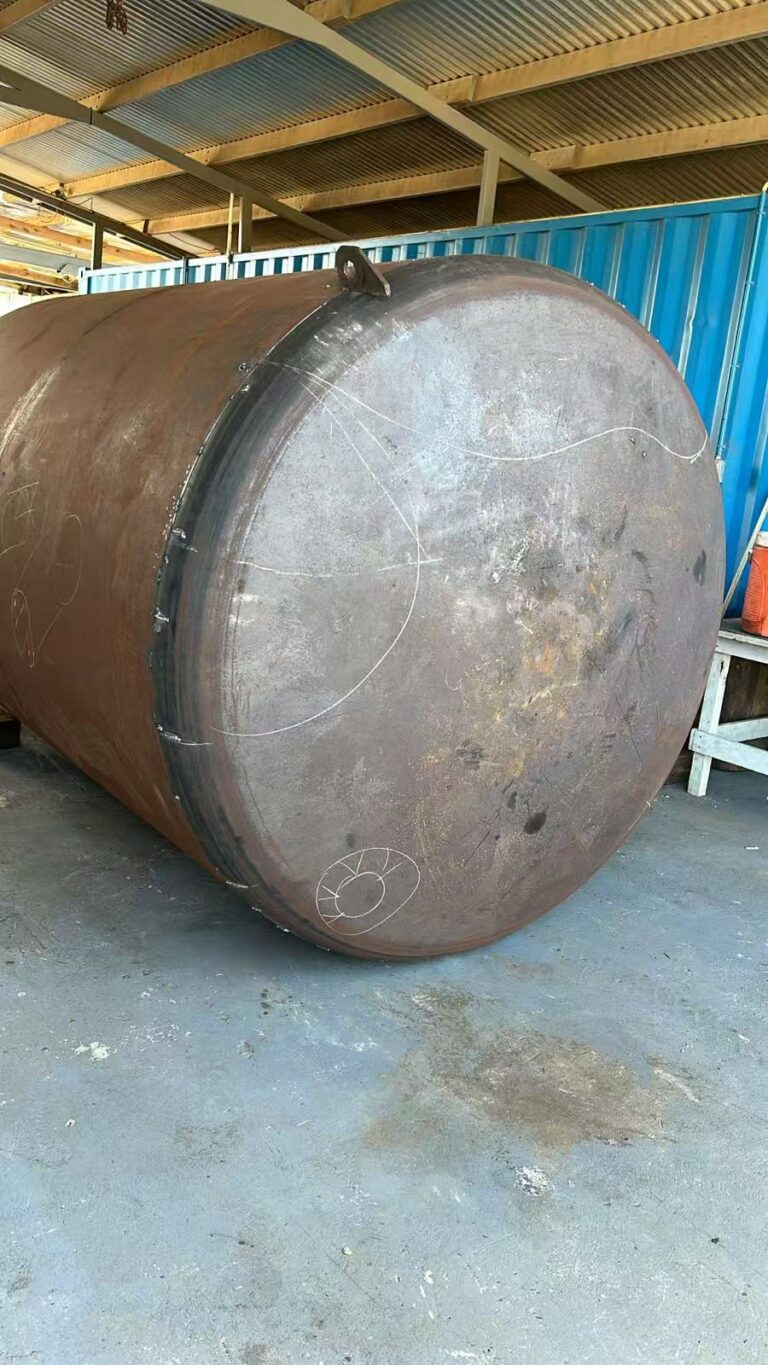
Step 5: We fit the head to the shell the smart way
You’d be shocked how many teams argue ID match vs OD match like it’s a religion.
I treat it like a plan:
- If the vessel connects to tight piping or internals, we care about ID control.
- If the outside needs to match cladding, jackets, or external weld-on parts, we care about OD control.
Either way, we set a mismatch limit and stick to it. Then we tack in a balanced pattern. No “tack wherever it looks good.”
Want the round tank at the end? Build round from the start.
Step 6: We weld in a sequence that doesn’t warp the whole tank
Welding dumps heat. Heat moves metal. Metal moves your tolerances.
So we control sequence like we control money.
We use balanced weld progression. We alternate sides. We manage interpass temperature. We avoid long, heroic weld runs that feel productive but pull the joint like a zipper.
And if the spec calls for PWHT, we plan for it early. PWHT changes dimensions. It also changes what inspections we repeat afterward. You don’t “figure that out later.”
Step 7: We inspect like a buyer will inspect
Here’s my rule: inspect it like your toughest customer just walked in unannounced.
We check:
- dimensions and roundness
- crown and knuckle geometry
- weld profile and mismatch
- thickness where forming might thin it
- NDT results (PT/MT/UT/RT as required)
- marking and traceability (because paperwork matters)
Then we package it like it’s going to cross an ocean. Because it probably will.
A perfect head with a dent from shipping isn’t “mostly fine.” It’s a dispute.
The part nobody tells you
Hemispherical heads make a tank stronger. They also make your process discipline show.
If your shop runs tight—good forming control, good fit-up, good weld sequence—you’ll love hemispherical heads. If your shop runs on “we’ll fix it at the end,” hemispherical heads will expose you fast.
So if you’re sourcing these overseas, ask the supplier for their process. Not their promises. Process.
And if you want, send me your rough specs (diameter, thickness, material, code). I’ll tell you the questions that separate a smooth build from a painful one.