Popup

Talk to Our Managing Director for Best Offer!

Get a tailored quotation for pressure vessel heads, stainless spheres, or firepit bowls. Our engineers review your drawings, materials, standards, and quantities to provide accurate pricing and delivery options.

  • Custom Fabrication to Drawing
  • ASME & PED Compliance Support
  • Wide Material Capability
  • Strict Quality & NDT Control
  • Fast Lead Time & Stable Supply
  • Engineering Review Before Production

Request a Quote for Custom Tank Heads

Get a tailored quotation for pressure vessel heads, stainless spheres, or firepit bowls. Our engineers review your drawings, materials, standards, and quantities to provide accurate pricing and delivery options.

  • Custom Fabrication to Drawing
  • ASME & PED Compliance Support
  • Wide Material Capability
  • Strict Quality & NDT Control
  • Fast Lead Time & Stable Supply
  • Engineering Review Before Production
Popup

Tank Head Supplier Blog

Stay ahead with practical insights on pressure vessel heads, dished ends, and custom tank head manufacturing. Explore engineering tips, compliance guides, and sourcing strategies built for procurement and plant teams across the USA and Europe.

Engineering-First Practical Guides

Clear, decision-ready articles on tank head selection, dimensions, materials, and ordering checklists so you can spec the right head faster.

QC & Compliance Clarity

Straightforward breakdowns of inspections, NDT, traceability, and documentation requirements to reduce risk, rework, and approval delays.

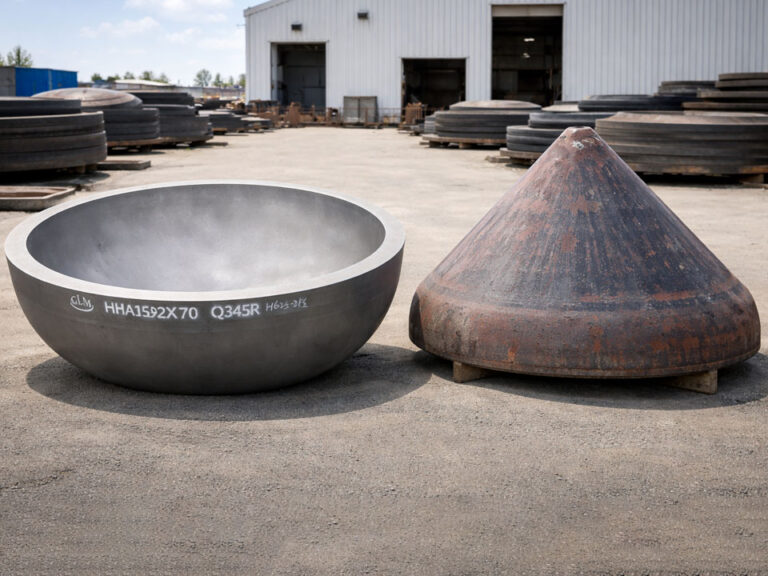
What are the advantages of using a conical head for the bottom?

Conical Tank Head

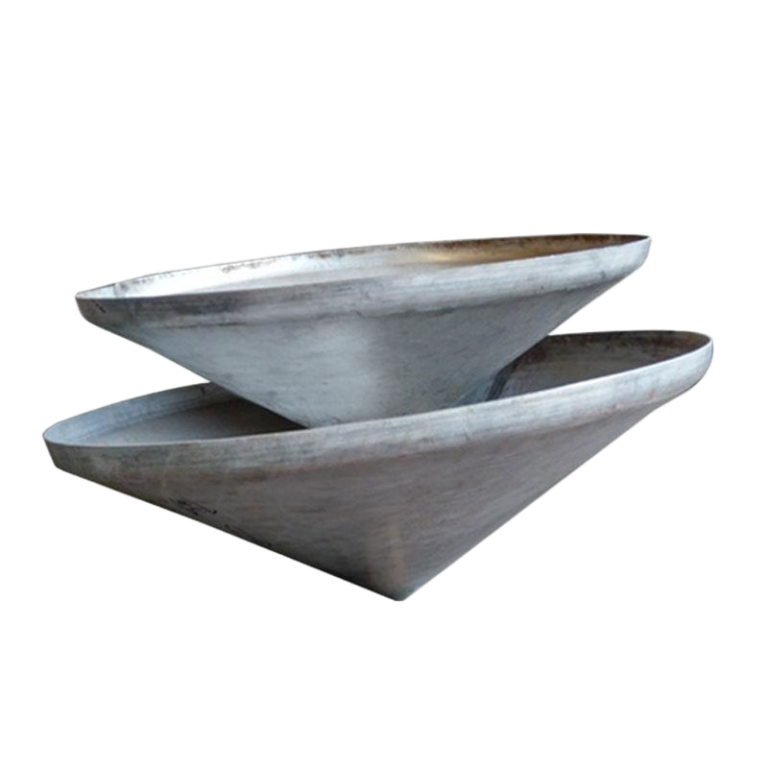
In industrial tanks, the shape of the bottom can make all the difference. A conical head is a game-changer, especially when it comes to draining, cleaning, and handling solid waste. Unlike flat-bottom designs that trap debris and require extra effort, conical bottoms make cleaning faster, more efficient, and safer. It’s a smarter, more practical design that saves time, money, and labor. But, like anything good, it comes with a trade-off: the need for extra height. However, the benefits far outweigh the costs. Let gravity work for you, and say goodbye to the headaches of flat-bottom tanks.

Are Fire Bowls Worth It? Here’s the Honest Answer.

Fire Pits

Are fire bowls actually worth the money—or just backyard clutter waiting to happen? This post gives an honest, real-world take on what fire bowls do best (ambience, gathering people, extending patio season) and what nobody brags about (smoke, wind, cleanup, local restrictions). It breaks down the true “worth it” factor—how often you’ll use it—plus the biggest buying mistakes that lead to regret. You’ll also get a practical wood vs. gas comparison, what features matter more than looks, and a simple test to decide if a fire bowl fits your lifestyle before you spend a dime.

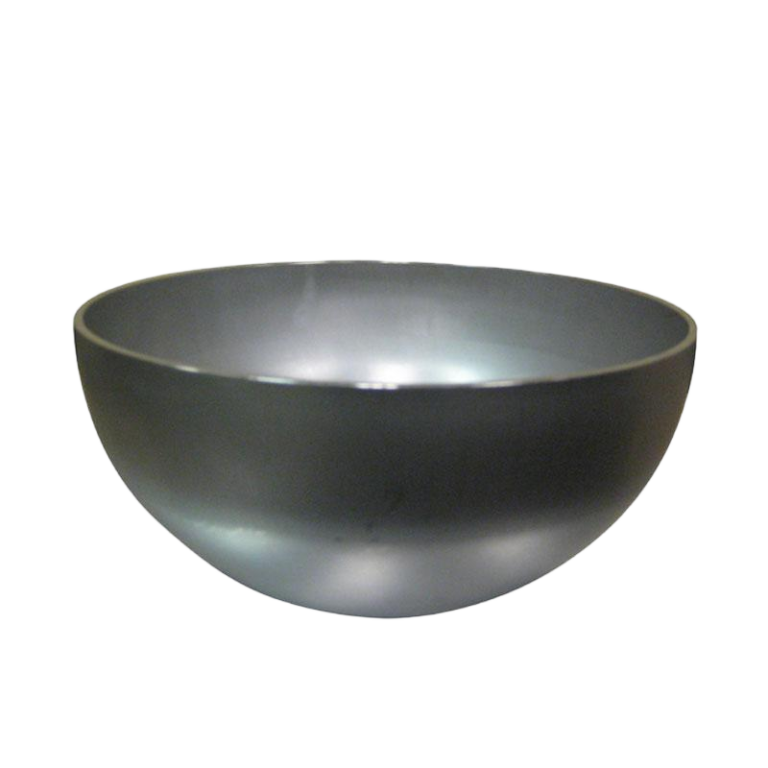
What Is a Hemispherical Head?

Hemispherical Head

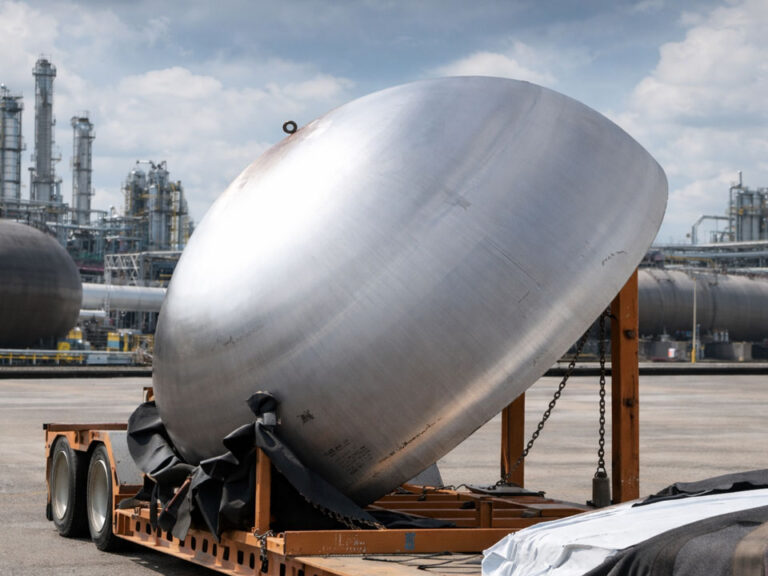
A hemispherical head is the “half-sphere” end cap used on pressure vessels when pressure gets serious. This blog breaks down what it is, why the spherical shape spreads stress so evenly, where it’s commonly used (reactors, high-pressure tanks, heat exchangers), and why it often outperforms elliptical or torispherical heads. You’ll also learn the real trade-off: hemispherical heads can reduce required thickness and improve safety margins, but they cost more to form, weld, and inspect—especially at large diameters. If you’re choosing vessel heads for a project, this guide helps you understand when the half-sphere is worth the premium.

What’s The Difference Between Toriconical Heads and Conical Heads

Toriconical Heads and Conical Heads

This guide explains the difference between toriconical heads and conical heads for pressure vessels and tank transitions. You’ll learn how the toroidal knuckle radius changes stress at the cone-to-shell junction, impacts fabrication and inspection, and affects ASME/PED documentation. Includes a practical RFQ checklist and a comparison table to help buyers specify the right head geometry and avoid fit-up surprises.

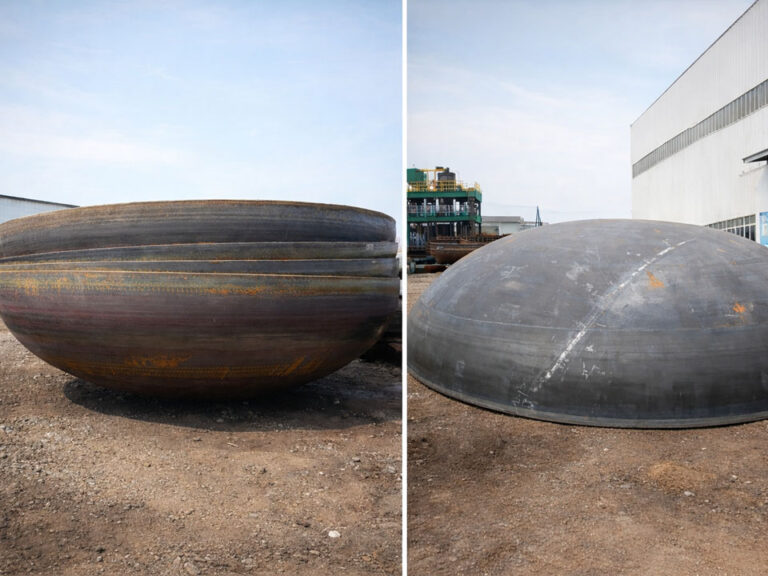
How We Build a Cylindrical Tank with Hemispherical Heads

Hemispherical Heads

A cylindrical tank with hemispherical heads looks simple, but the build has a lot of “gotchas.” This post walks through the real-world process: material selection, forming, fit-up, welding, inspection/NDT, and the documentation that code buyers expect. You’ll learn what to specify early to avoid rework, delays, and rejected parts.