Get a tailored quotation for pressure vessel heads, stainless spheres, or firepit bowls. Our engineers review your drawings, materials, standards, and quantities to provide accurate pricing and delivery options.
Custom Fabrication to Drawing
ASME & PED Compliance Support
Wide Material Capability
Strict Quality & NDT Control
Fast Lead Time & Stable Supply
Engineering Review Before Production
Request a Quote for Custom Tank Heads
Get a tailored quotation for pressure vessel heads, stainless spheres, or firepit bowls. Our engineers review your drawings, materials, standards, and quantities to provide accurate pricing and delivery options.
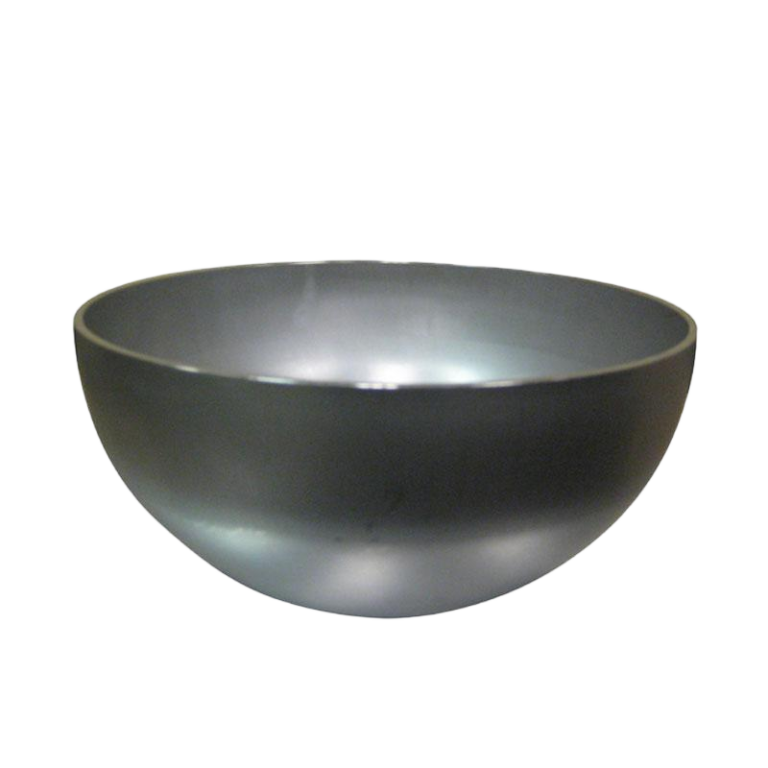
Why the Hemispherical Head is the Quiet MVP of Pressure Vessel Design
Let’s talk pressure vessels for a second. Big, round tanks that hold all sorts of stuff under serious pressure—steam, gas, chemicals—you name it. If you have, you’ve probably noticed something interesting. The ends aren’t flat. They’re curved. Sometimes dish-shaped, sometimes elliptical, and every now and then, you’ll spot the perfect half-sphere capping the whole thing off.
Table of Contents
The Physics Behind Hemispherical Heads
Here’s the kicker: hemispherical heads are the most efficient shape for handling internal pressure. Not “one of.” The. Why? Physics doesn’t lie. A sphere distributes stress evenly in all directions. No weak spots. No hot zones where cracks love to start. Just smooth, uniform tension across the entire surface.
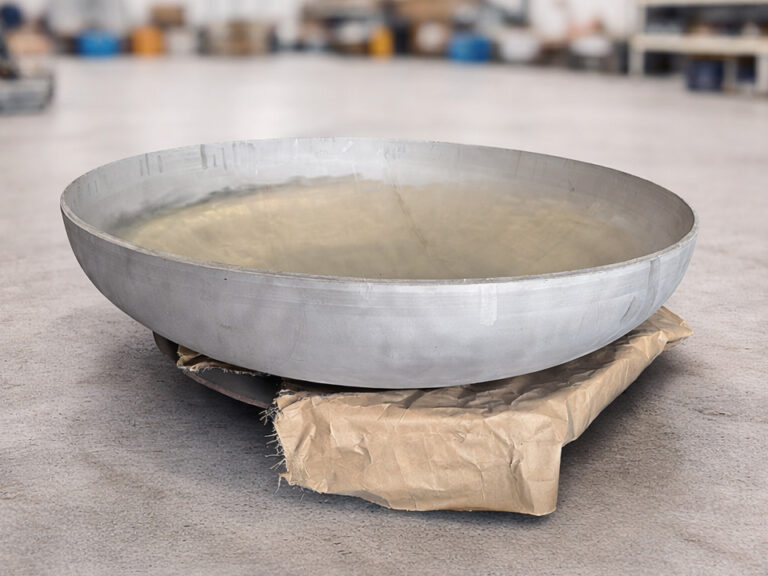
Compare that to a flat head—which would buckle like a wet noodle under pressure—or even a standard 2:1 elliptical head, which does a decent job but still concentrates more stress at the knuckle. The hemisphere? It laughs in the face of differential stress.
The Trade-Offs: Cost and Complexity
But—and this is a big but—it’s not all sunshine and low-stress diagrams.
Fabricating a true hemispherical head is a pain in the neck. You need thick plates, serious forming equipment, and welders who aren’t afraid to tackle complex geometries. Cost-wise? Ouch. Often double or triple the price of an elliptical alternative. So unless your vessel is operating at crazy high pressures—think aerospace or deep-sea applications—engineers usually go for the cheaper option.
When to Use a Hemispherical Head
I remember visiting a plant in Houston where the lead designer told me, “We spec’d hemispheres for our hydrogen storage units. Not because we wanted to show off—but because failure wasn’t an option. One crack, and boom. Literally.”
Fair point.
So, when should you use one? Simple: when pressure is sky-high, space is tight, or safety margins are non-negotiable. Nuclear reactors? Yep. High-pressure gas storage? Absolutely. Your backyard propane tank? Nah—you’ll see ellipsoidal heads there. Practicality wins.
Codes and Calculations: The ASME Perspective
And don’t get me started on codes. ASME Section VIII loves hemispheres—for good reason—but the thickness calculations can trip up even seasoned designers. The formula’s deceptively simple:
Look—engineering isn’t just about math. It’s about judgment. Knowing when to splurge on that perfect hemisphere and when to save the client six figures with a smarter compromise. That’s the art behind the science.
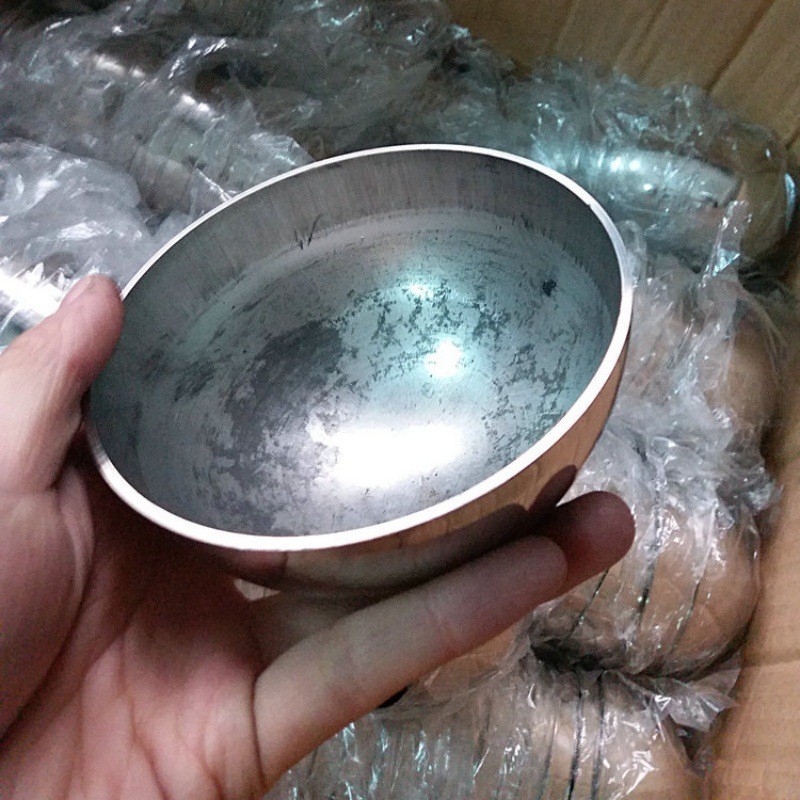
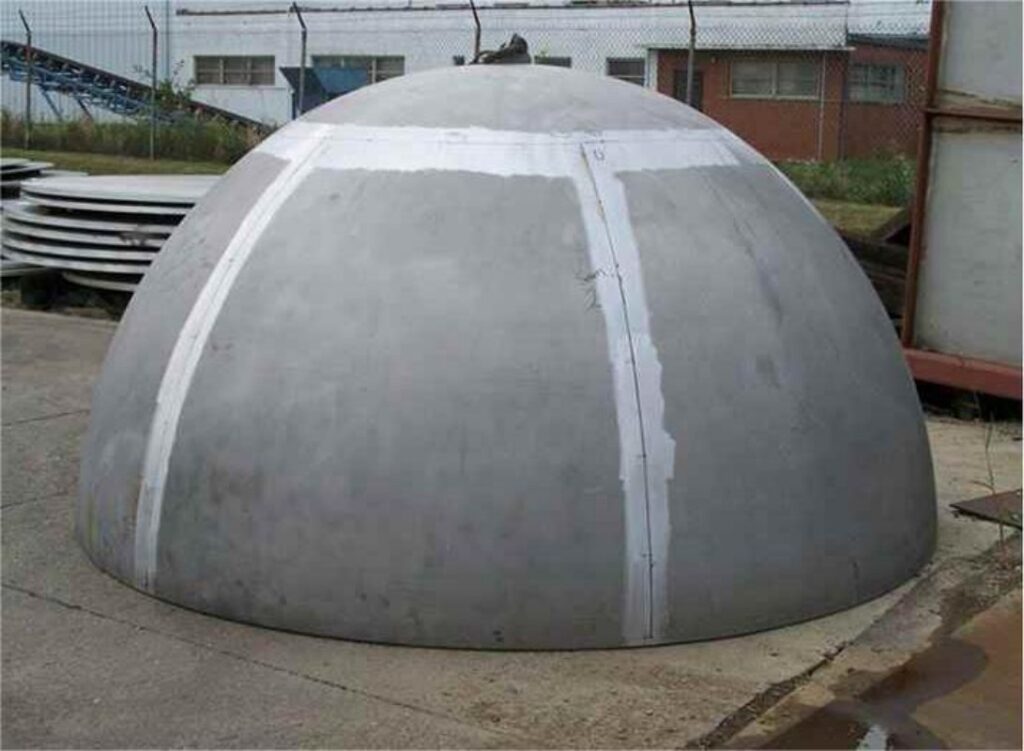
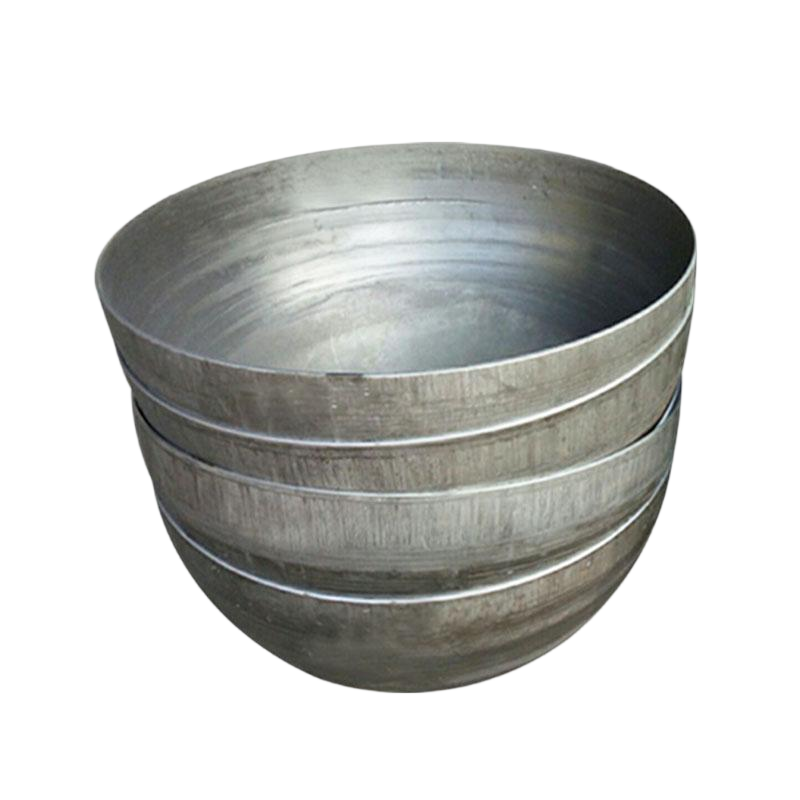
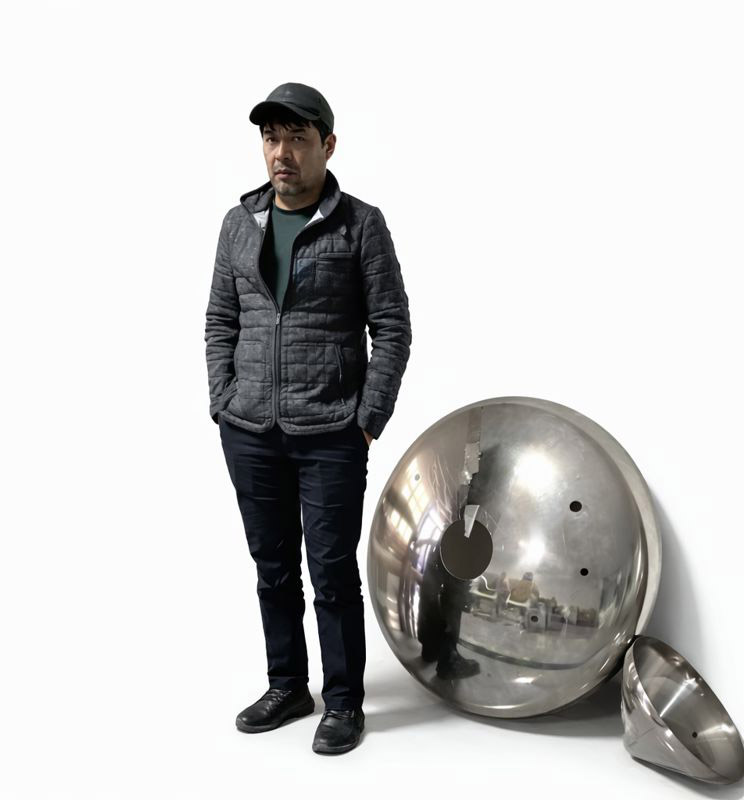
Hemispherical Head
The Bottom Line on Hemispherical Heads
Next time you pass a pressure vessel, give its ends a second glance. If it’s sporting a hemisphere, tip your hat. That thing’s doing silent, heroic work—holding back chaos with nothing but geometry and grit.