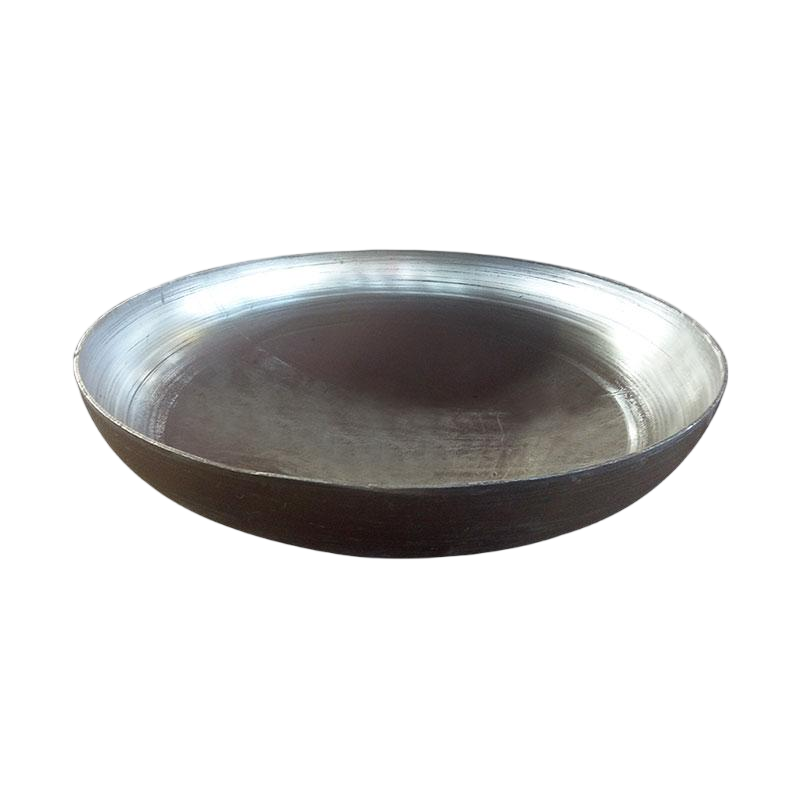
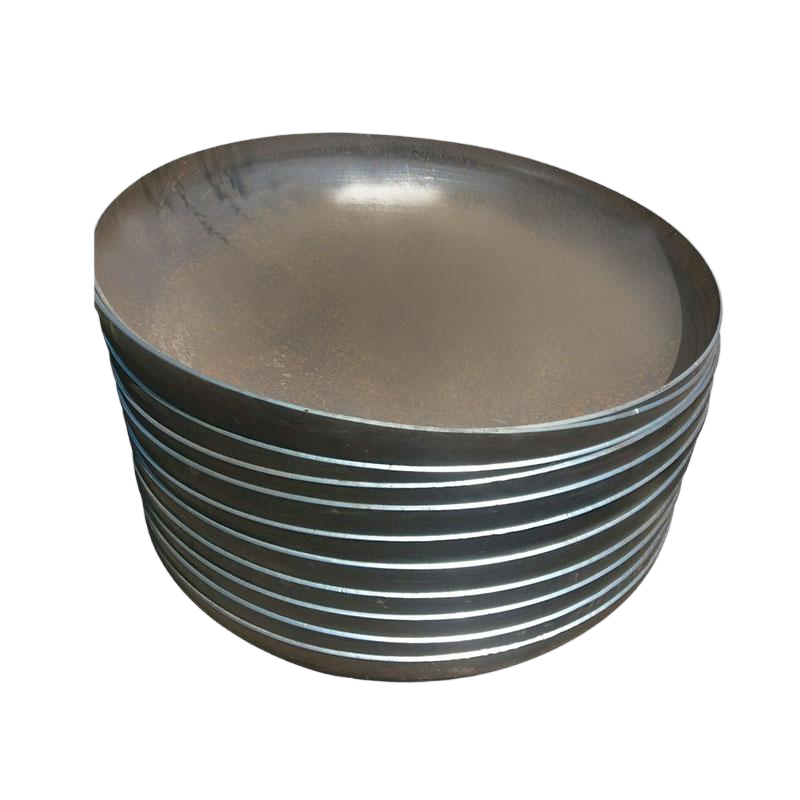
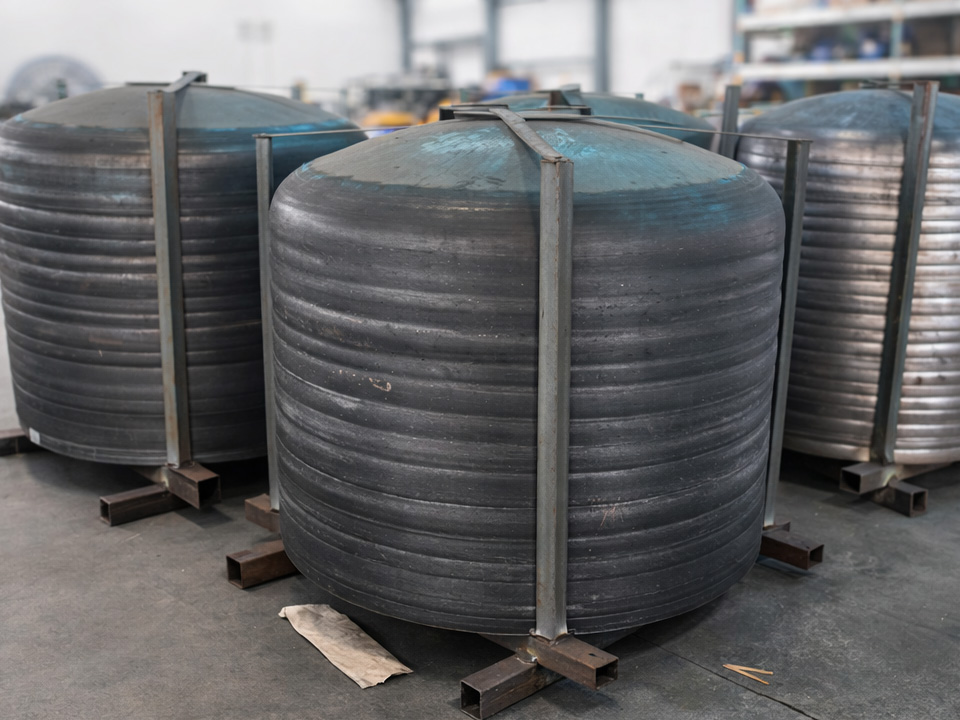
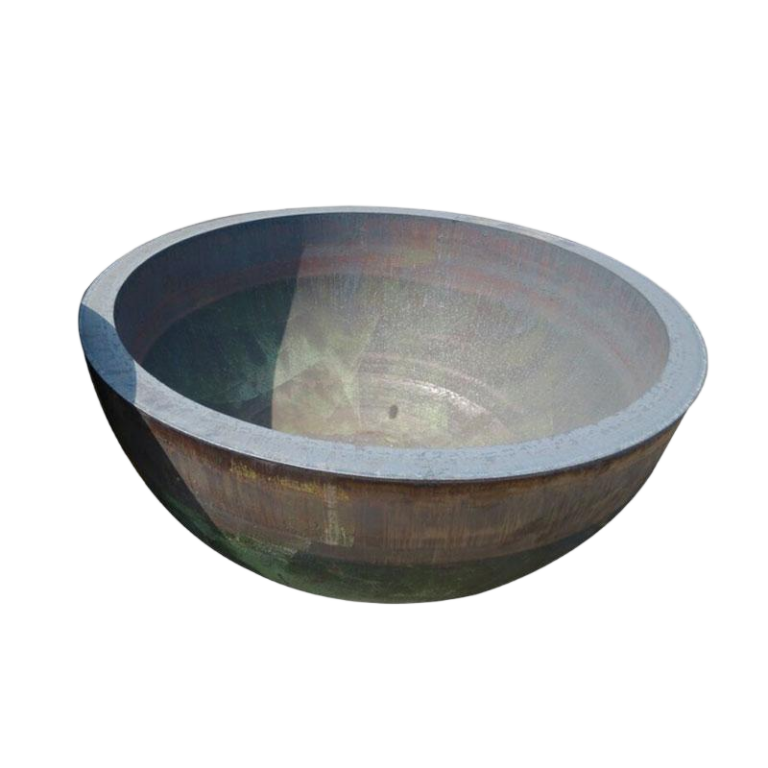
Get a tailored quotation for pressure vessel heads, stainless spheres, or firepit bowls. Our engineers review your drawings, materials, standards, and quantities to provide accurate pricing and delivery options.
Custom Fabrication to Drawing
ASME & PED Compliance Support
Wide Material Capability
Strict Quality & NDT Control
Fast Lead Time & Stable Supply
Engineering Review Before Production
Request a Quote for Custom Tank Heads
Get a tailored quotation for pressure vessel heads, stainless spheres, or firepit bowls. Our engineers review your drawings, materials, standards, and quantities to provide accurate pricing and delivery options.
Let me tell you about Dave. Dave was a project manager. Dave cut corners on pressure vessel calculations. Dave isn’t working in engineering anymore.
Torispherical heads—the funky, dished ends on tanks and boilers—look simple. They’re not. I learned this the hard way early in my career. A client needed a storage tank. I eyeballed the material needed for the head. Big mistake. The fabricator laughed when he saw my quote. Turns out, surface area math isn’t optional.
Torispherical Head
Here’s the deal: a torispherical head has two curves. The big, fat curve at the top (the crown). The tighter bend near the edge (the knuckle). Mess up their proportions, and your tank might as well be a modern art sculpture.
D = Inside diameter of the tank. Measure twice. R = Crown radius. Usually about 90% of D for standard designs. r = Knuckle radius. Typically 6% of D. Tiny but mighty. Plug in numbers for a 2-meter tank (D=2000mm, R=1800mm, r=120mm):
Do the math. You’ll get ~7.2 square meters. That’s 7.2 square meters of metal you can’t afford to guess.
Why Your Gut Is Wrong
I once saw a junior engineer swap a torispherical head for an ellipsoidal one to “save time.” The tank failed hydrotesting. Water sprayed like a broken fire hydrant. Humiliating.
Torispherical heads aren’t hemispheres. They aren’t cones. Their hybrid shape balances strength and cost. But that knuckle radius? It’s a stress magnet. Get the surface area wrong, and you’ll under-order material. Or worse—overpay by 20%.
Pro Tip: When Excel Fights Back
Still scribbling on napkins? Stop. Use a calculator like PV Elite or Codeware. But understand the formula first. I keep a dog-eared notebook with this equation. Next to it, a coffee stain and the words: “Dave’s Revenge.”
Your Move
Next time you size a tank, don’t wing it. Run the numbers. Then run them again.