Let’s be real. When you picture a pressure vessel, you don’t imagine a pyramid. Or a star. Or—God forbid—a dodecahedron.
You see a cylinder with rounded ends. Maybe a full sphere if it’s fancy.
But why?
I used to think it was just tradition. Like how all coffee mugs look basically the same. But after watching a poorly designed tank bulge like an overfilled sausage during a field test (yes, that happened), I learned the hard way: shape isn’t style here. It’s survival.
Pressure doesn’t play favorites. It pushes everywhere at once—equally, relentlessly. And sharp corners? Edges? Flat surfaces? They’re weak spots. Stress piles up there like traffic at a toll booth. Metal fatigues. Cracks start small. Then—boom. Not always loud. Sometimes it’s a slow leak that ruins a whole batch of product. Other times… well, let’s not go there.
So what handles this invisible bully best?
The sphere. Hands down.
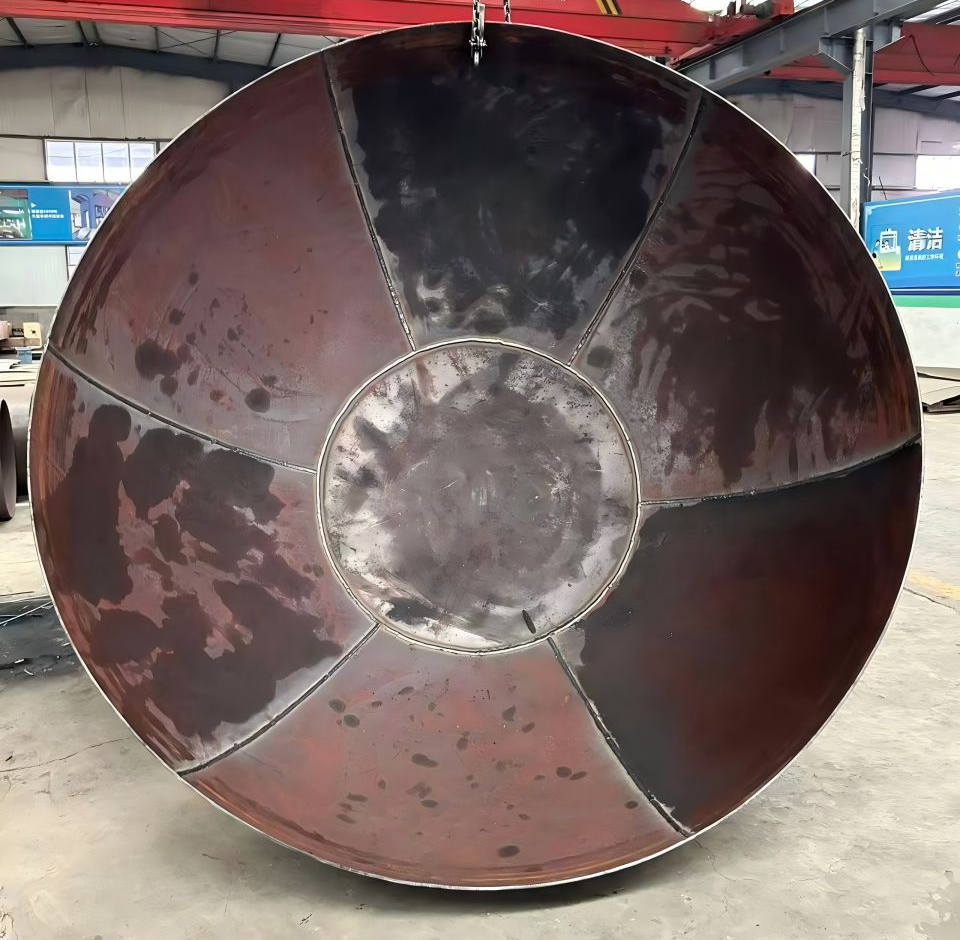
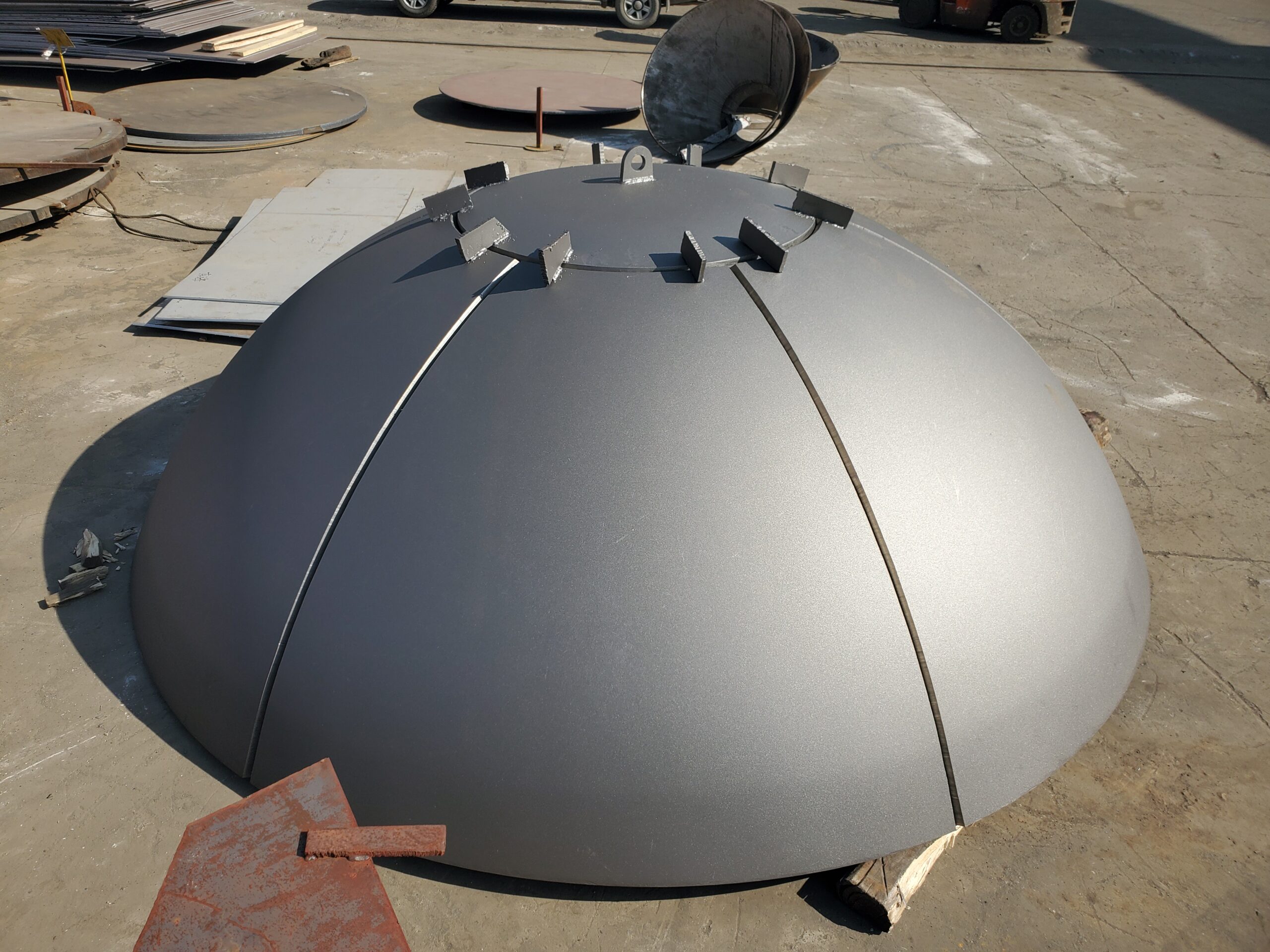
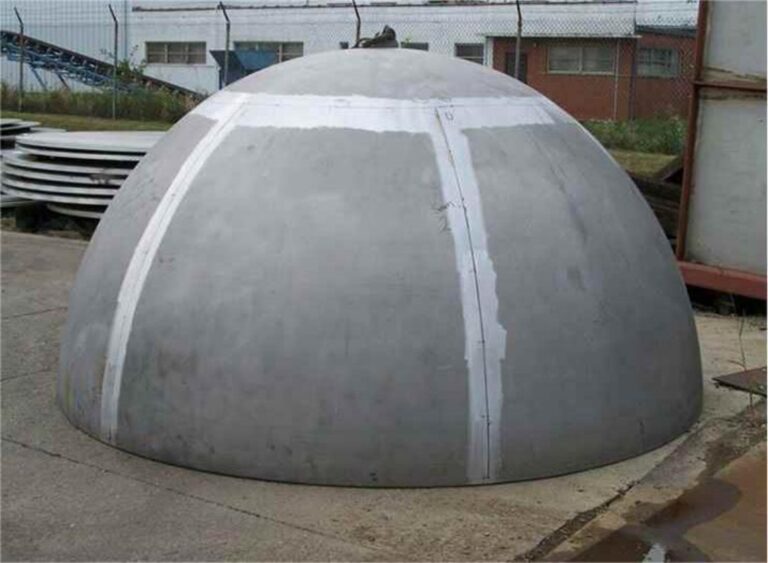
Here’s why: in a perfect sphere, stress distributes itself evenly across the entire surface. No hotspots. No weak knees. It’s the only shape where every point on the wall carries the exact same load. Nature figured this out ages ago—bubbles, planets, eyeballs. Even our lungs use spherical alveoli for efficient gas exchange under pressure.
I remember touring a liquid nitrogen plant years back. Their storage tanks? Massive silver balls sitting on stilts like alien eggs. “Why not cylinders?” I asked the engineer. He laughed. “Because I like sleeping at night,” he said.
Fair point.
But hold on—if spheres are so great, why do most pressure vessels look like soup cans?
Ah. Practicality.
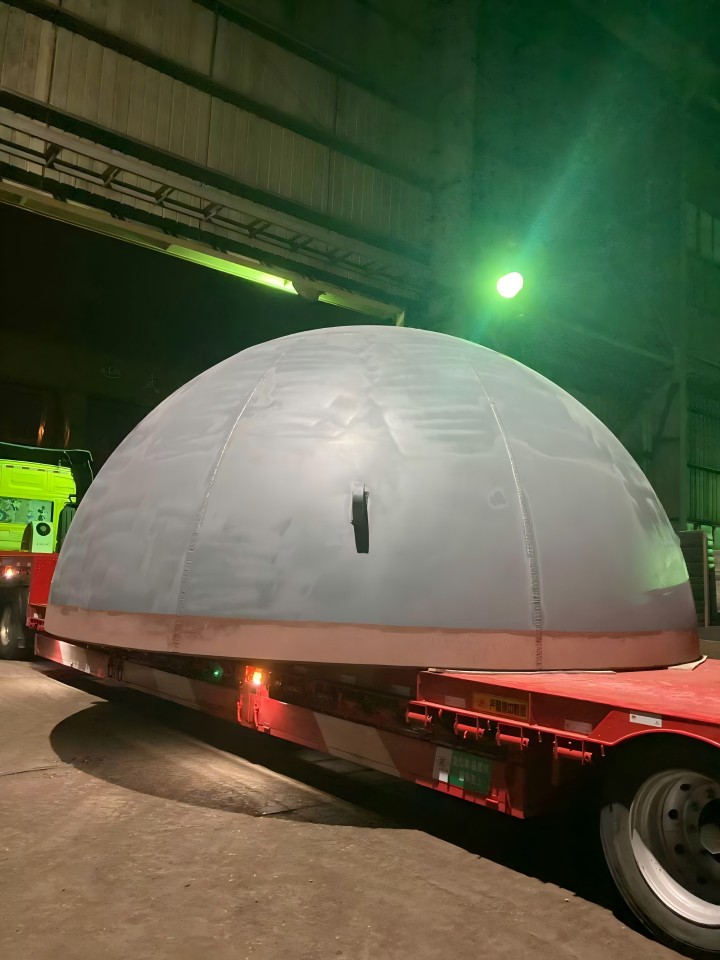
Spheres are a nightmare to manufacture at scale. Welding a perfect seam around a giant ball? Good luck. And try stacking them in a factory. Or bolting pipes to one without custom fittings for every angle. They also waste floor space—circles don’t tile well.
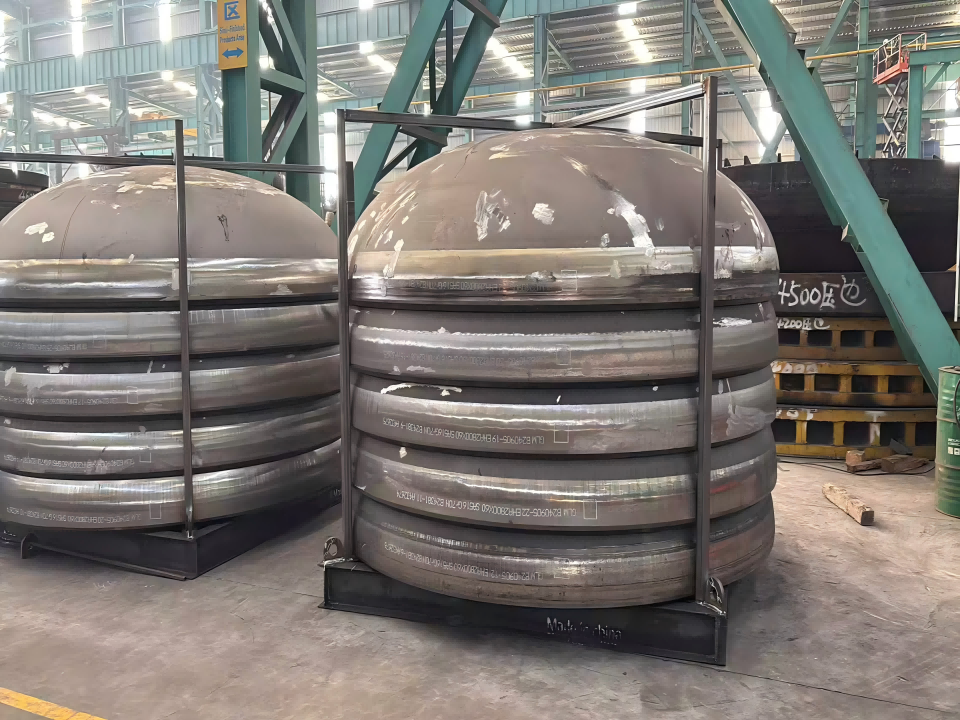
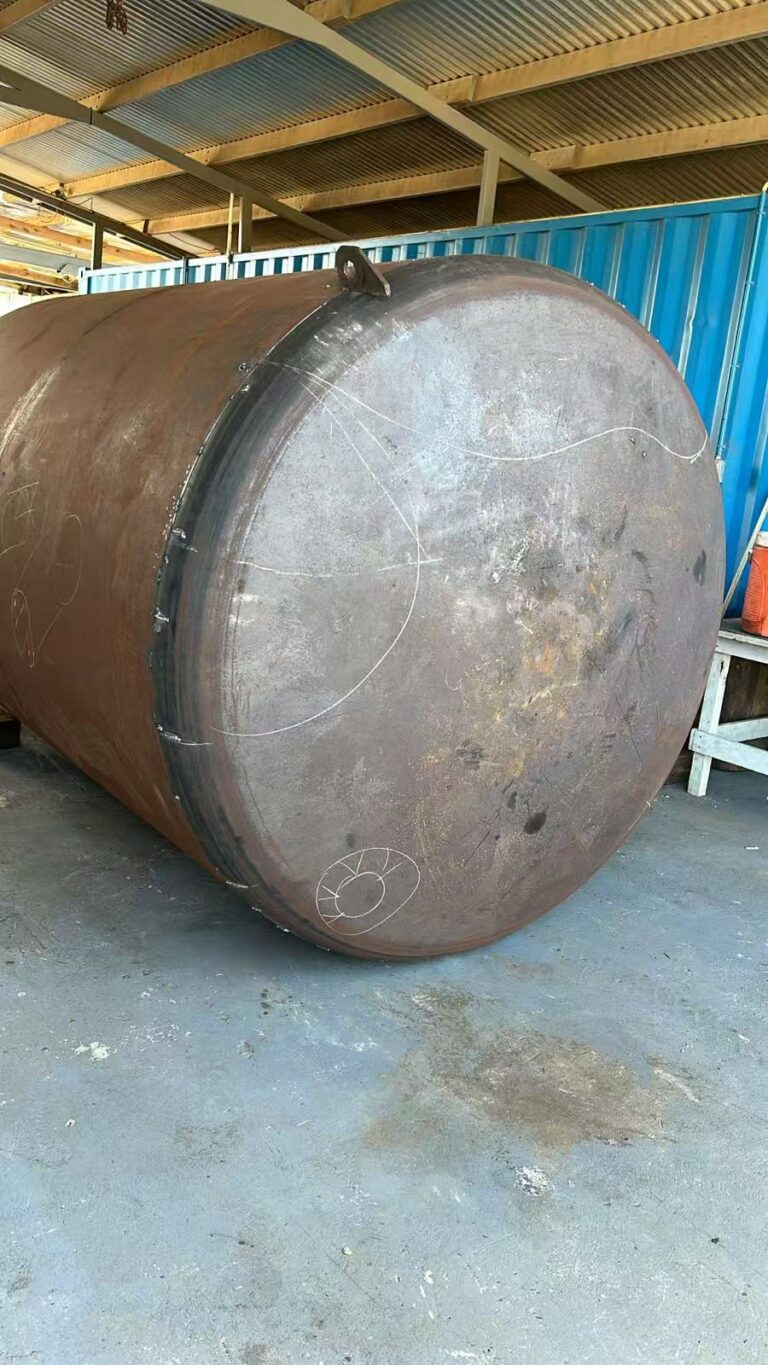
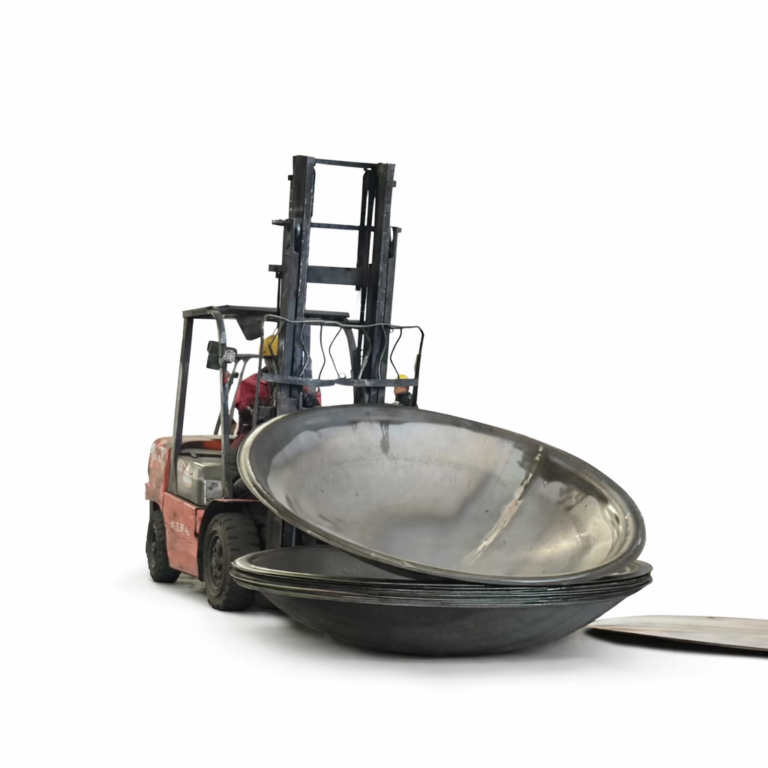
Cylinders with hemispherical or elliptical heads? That’s the sweet spot. Almost as strong as a sphere (especially with rounded ends—never flat!), way easier to build, ship, and install. You get 90% of the performance with half the headache.
I’ve seen startups try to cut costs with flat-ended tanks. “It’s just low pressure,” they say. Famous last words. Thermal cycling alone will fatigue those corner welds into submission within months. Don’t be that guy.
Now, what about cubes? Or rectangles? Just… don’t. Seriously. The stress concentration at each corner can be three to four times higher than on a curved surface. That’s not engineering—that’s gambling with metal fatigue.
Look, I get it. A sphere looks cool. It feels pure. Elegant. And in applications where weight, strength, or space efficiency is non-negotiable—like aerospace, deep-sea subs, or high-pressure gas storage—it’s the undisputed king.
But for your brewery’s fermentation tank? Your HVAC system? Your backyard steam setup? Stick with the cylinder. Rounded ends. Thick enough walls. Proper certification. Boring? Maybe. Safe? Absolutely.
The Real Winner Isn’t a Shape—It’s Smart Compromise
At the end of the day, the “best” shape depends on your actual life—not textbook ideals. Budget matters. Space matters. Maintenance access matters.
But never, ever choose a shape just because it looks neat on a CAD render. Pressure doesn’t care about your aesthetic. It only cares about physics. And physics has zero patience for corners.
So next time you’re sizing up a tank, ask yourself: “Am I solving a problem—or creating one?”
Your future self (and everyone standing nearby) will thank you.