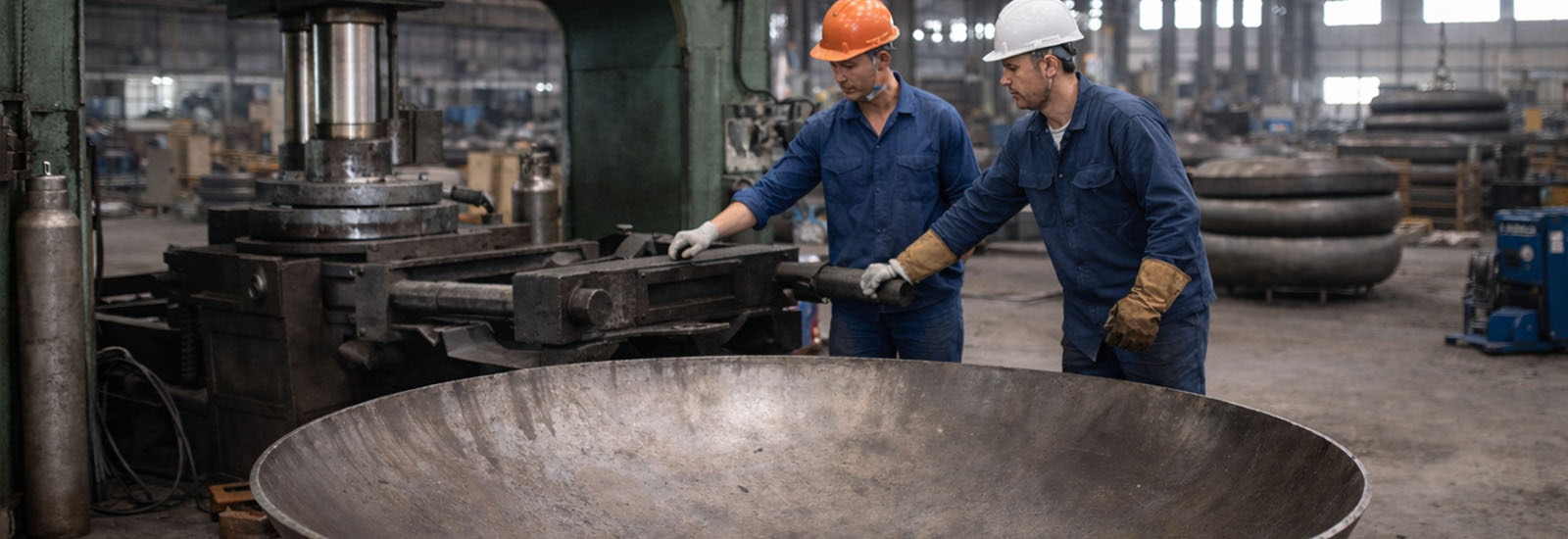
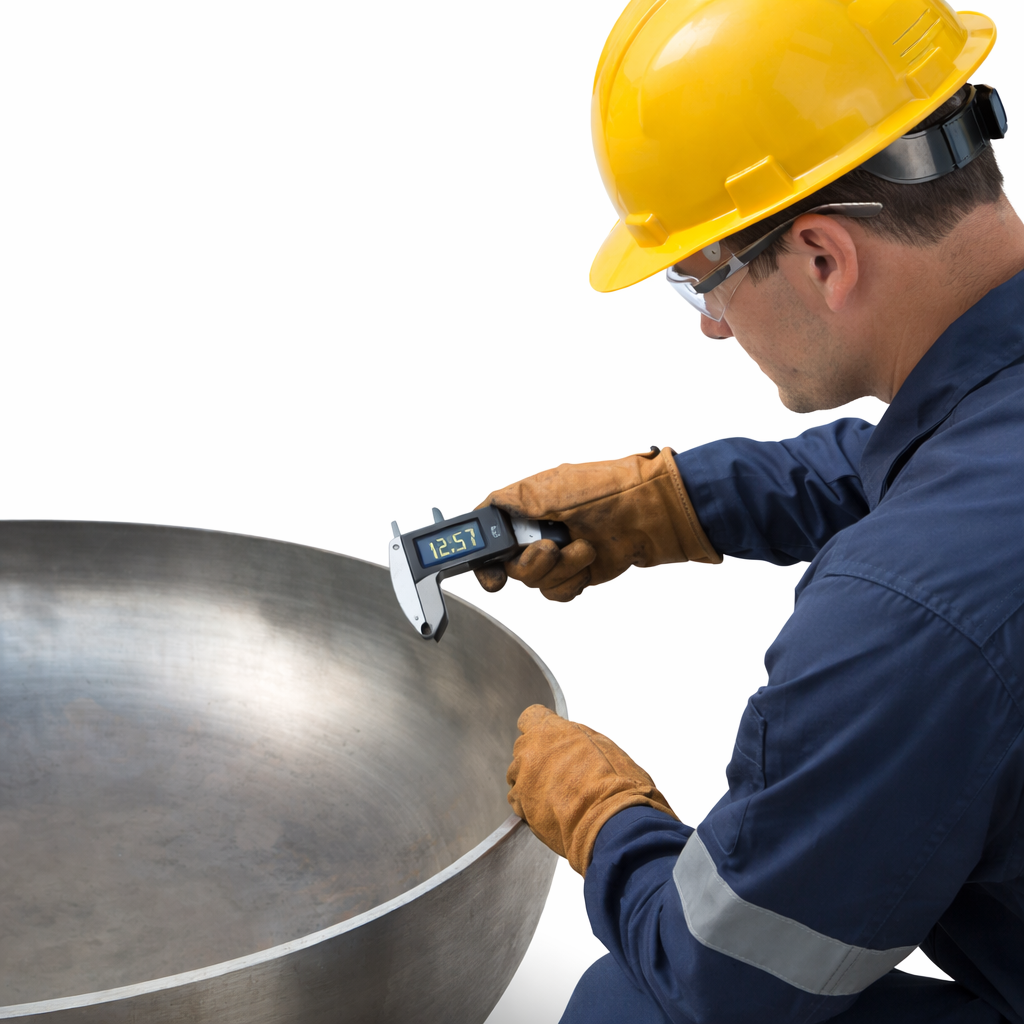
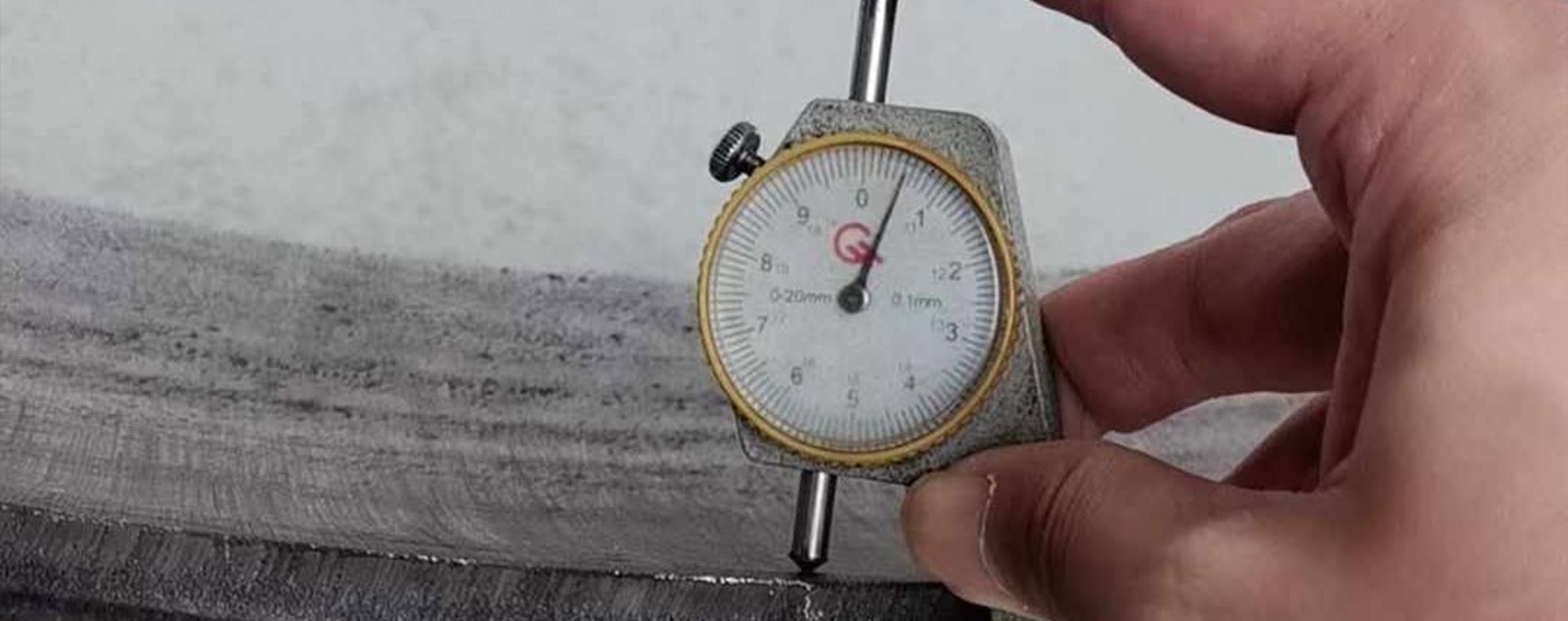
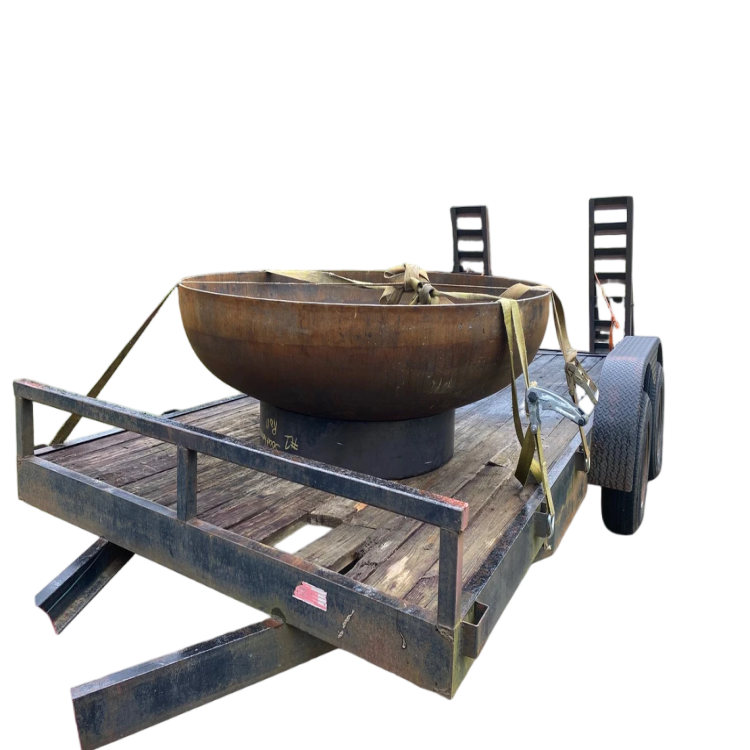
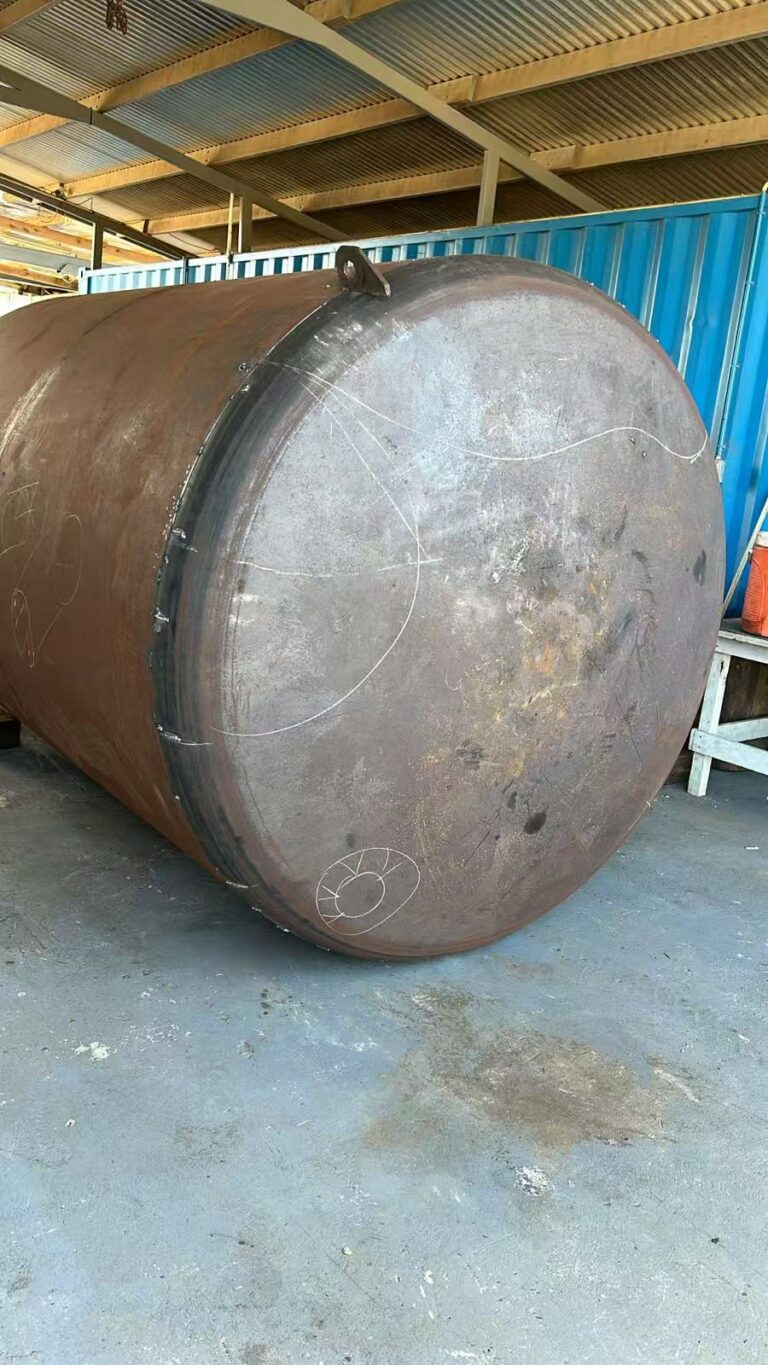
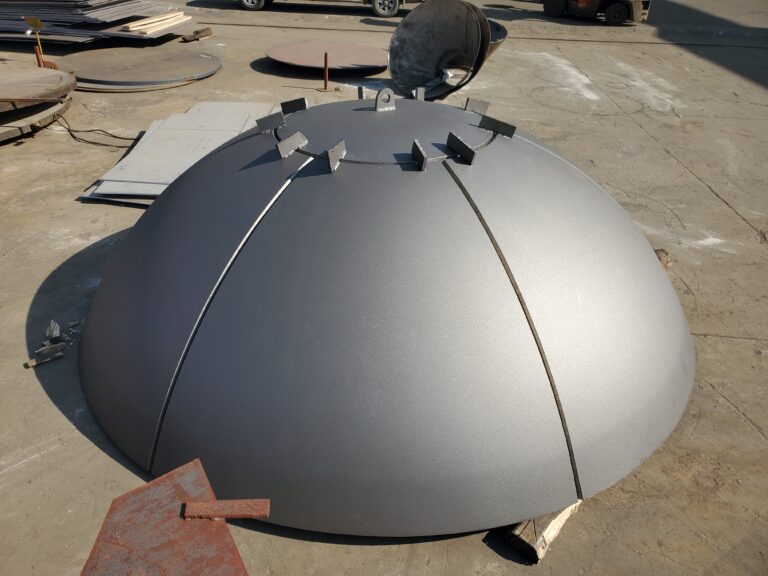
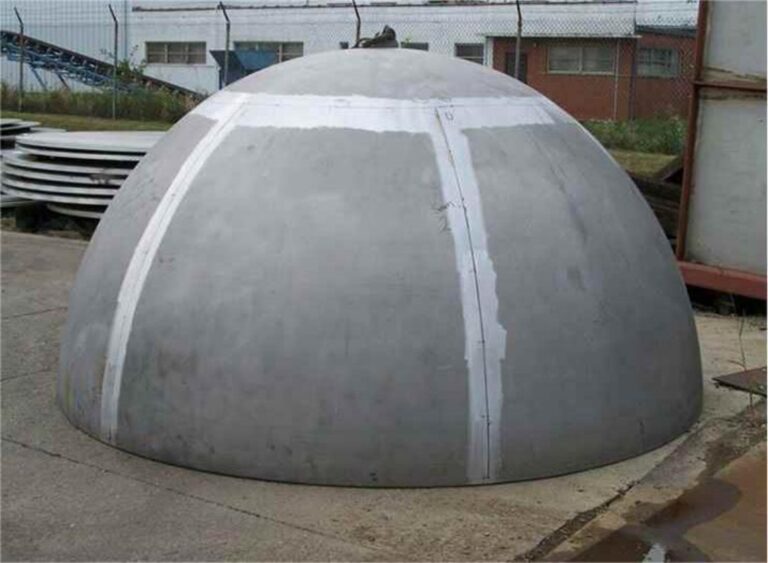
Look, I’ve cut more steel than I’ve had hot dinners. And of all the headaches in pressure vessel work? Laying out a true hemispherical dish head is right up there with trying to fold a fitted sheet or explaining Wi-Fi to your dad.
You’re handed a spec: “Hemispherical head, 60-inch ID.”
Sounds simple enough—until you realize you’ve got to turn a flat, cold plate into half a perfect sphere. No gentle slopes. No forgiving transitions. Just one relentless curve from edge to crown.
Yeah. Good luck.
Why Would Anyone Choose This Madness?
Because it works. A hemisphere is the strongest head shape for internal pressure—period. It distributes stress evenly, uses less material than other designs for the same pressure rating, and when it’s done right, it looks clean as hell.
But “done right” is the kicker. Get the layout wrong by even an inch, and you’re either scrapping expensive plate or praying the fit-up hides your mistake. (Spoiler: it never does.)
Here’s the Secret No One Tells You
The blank isn’t the same size as the finished head. Not even close.
If your vessel’s inside diameter is D, your flat blank needs to be about 1.57 times D. That’s π/2, if you’re feeling nostalgic about math class. For a 60-inch head? You’re cutting a blank around 94.2 inches across.
I once watched a new guy mark out a 60-inch circle and call it good. He was genuinely shocked when the press brake operator laughed so hard he choked on his coffee.
Don’t be that guy.
How to Actually Mark It—Without Fancy Gear
Not every shop has a CNC plasma table. Some of us still work with chalk, soapstone, and a trammel bar held together by duct tape and hope.
Find true center—use diagonals, punch marks, whatever it takes. Then rig up a scribe arm that reaches your calculated radius. Keep it tight. Keep it level. And for the love of weld fumes, double-check before you cut.
One time, my trammel slipped halfway through the arc. I didn’t notice until the press started forming it. Let’s just say the resulting “dish” looked more like a potato chip than a pressure boundary. We scrapped it. Boss made me buy the coffee for a week.
Lesson learned.
Wait—Where’s the Knuckle?
Exactly. There isn’t one.
Unlike ellipsoidal or torispherical heads, a true hemisphere has no knuckle radius. It’s all one smooth, constant curve. That’s why it’s strong—and why it’s unforgiving.
Every point on that surface must sit exactly D/2 from the center. No blending. No shortcuts. If your layout wobbles, your head wobbles. And in pressure vessels, wobble gets people hurt.
Do This Before Touching Real Steel
Grab cardboard. Or plywood. Or the back of an old blueprint.
Scale it down—say, 1 inch = 1 foot—and lay it out by hand. Cut it. Try to form it over a bucket or a trash can. See how the edges behave. Notice how much it wants to spring back.
This five-minute hack has saved me more grief than I can count. And no, it’s not “babying the job.” It’s called thinking ahead.
Leave Room to Breathe (and Grind)
Always—always—leave at least ¾ inch of extra material around the edge. Call it your “oops margin.” Metal moves when you form it. Heat shifts things. Presses aren’t surgeons.
Better to grind off a little after forming than to realize your head is ½ inch too small and won’t seat on the shell. That’s the kind of mistake that shows up on incident reports.
Bottom Line: It’s Geometry With Consequences
Laying out a hemispherical head isn’t just drafting. It’s responsibility. That curve holds back hundreds—or thousands—of PSI. People trust their lives to that seam.
So take your time. Check your numbers. Walk away and come back before you cut. And if you’re unsure? Ask. Even the old-timers double-check this stuff.
Because in this trade, looking foolish for a minute beats being wrong forever.
Now go make it round. And keep your fingers clear of the shear.